US India Strategy: Rubio Bypasses Capital for Business Hubs
The Secretary of State prioritized Mumbai and Jamnagar over New Delhi, signaling a focus on trade deals and energy exports ahead of US midterm elections.
By Fernando Rojas ·
US Secretary of State Marco Rubio visited India last week without meeting Prime Minister Narendra Modi in the capital.
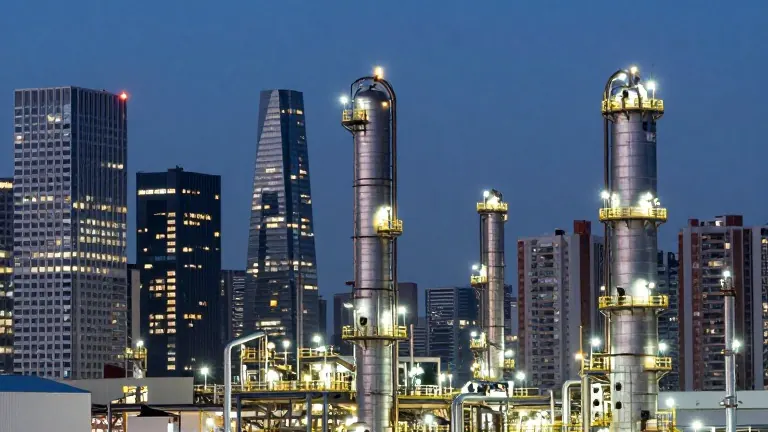
The route of the trip drew attention because it skipped New Delhi entirely. Rubio traveled to Mumbai, the financial center, where he met with Foreign Minister Subrahmanyam Jaishankar and business leaders. He then flew to Jamnagar, a town in Gujarat that houses the massive oil refinery complex operated by Reliance Industries.
This was Rubio's second trip to the country in a short span. His first visit occurred just five months ago. The quick return happens during a period of strain in US-India relations. Tensions have risen under the second Trump administration, primarily due to tariff disputes and India's continued purchase of Russian oil. The timing suggests that India remains a key component of the president's foreign policy objectives.
Milan Vaishnav, director of the South Asia Program at the Carnegie Endowment for International Peace, has tracked these ties for ten years. He characterizes the current dynamic as an unbound era. He cautions that observers who claim to know exactly how the relationship functions are lying to the public. Vaishnav notes that while not every meeting requires a capital city setting, the administration chose these specific locations deliberately. The White House views foreign policy through the lens of deal-making. Mumbai is a natural venue for negotiating business agreements.
The stop in Jamnagar served a dual purpose. Rubio met with Mukesh Ambani, the chair of Reliance. This visit carried a message relevant to the domestic political calendar. Gasoline prices in the United States are high and could influence the midterm elections scheduled for November 3. India imports large volumes of crude oil but also exports significant amounts of refined products. Vaishnav states that one goal of the visit was to encourage Reliance and India to process more crude oil from Venezuela.
The diplomatic environment has shifted since May 2025. Following a conflict between India and Pakistan, the Trump administration increased its engagement with Islamabad. Pakistan had previously seen its standing in Washington decline. President Trump thanked Pakistan for assisting in the capture of a suspect linked to a 2021 bombing in Afghanistan that killed 13 US service members. In June, Trump hosted Pakistani Army Chief Asim Munir at the White House. Munir had urged that Trump be nominated for the Nobel Peace Prize. Vaishnav attributes this pivot to Trump's affinity for strongmen, Pakistan's diplomatic efforts, and potential deals involving energy and cryptocurrency.
Despite political friction, economic indicators show growth. Sameer Lalwani, a colleague at Carnegie, argues the relationship is stronger than public rhetoric suggests. Bilateral trade reached a record high in 2025. US technology companies have committed nearly $68 billion to artificial intelligence infrastructure in India. The two nations also conducted a record number of joint military exercises this year.
Caution remains warranted due to specific policy hurdles. The US imposed a 50 percent tariff on India in 2025, which was later reduced to 18 percent this year without a comprehensive trade agreement. Restrictions on H-1B visas and green cards have disproportionately affected Indian workers in Silicon Valley, creating a trust deficit. In early October, New Delhi called Vice President JD Vance's remarks about Indian professionals deeply offensive. Political friction persists as well. In January, Commerce Secretary Howard Lutnick blamed the absence of a trade deal on Modi not calling Trump, a claim New Delhi disputed. Vaishnav notes that much of the current progress relies on decisions made years ago. He emphasizes that India's most critical investment is political, focusing on maintaining a robust democracy and improving legal and regulatory systems.
Source: The Guardian