Drought Deepens in Tennessee as Fall Harvest Ends
Little rainfall in the final week of October worsened dry conditions across the state, forcing cattle producers to rely on stored hay for winter.
By Fernando Rojas ·
Farmers in Davidson County and across Tennessee entered November with little relief from the dry weather that dominated the final week of October. While heavy rain moved through the Plains and the West, the lower Mississippi Valley and the lower Midwest stayed dry. Tennessee sat in the middle of that dry band. Drought conditions worsened during that week.
National reports show that nearly half of the Lower 48 states remained in some level of drought as producers finished fall harvest and managed winter forage. The shift was not uniform. Areas in the Four Corners, central Plains, and southern Plains saw improved conditions due to heavy precipitation. Those improvements did not reach the South or the Midwest in the same way.
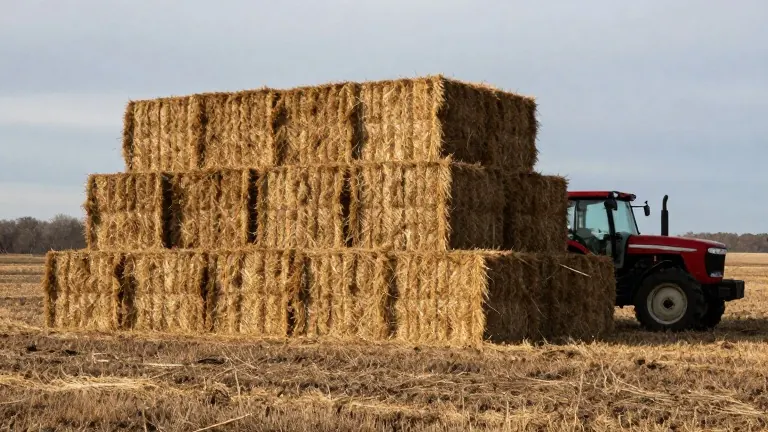
In Tennessee, the lack of meaningful rainfall was the key factor. The state received little water during the final week of October. That lack of rain made pasture recovery increasingly unlikely in the driest areas before winter sets in. Cattle producers are now focusing on their hay supplies and supplemental feeding plans to keep livestock through the colder months.
The situation in Tennessee mirrors trends seen in neighboring states. Dry conditions continue to affect portions of Kentucky, with severe drought remaining in parts of that state. In Kentucky, grain farms are finishing fall fieldwork while livestock producers monitor pasture availability and winter forage reserves. Alabama also saw severe and extreme drought expand, particularly along the Tennessee and Mississippi borders.
The Alabama State Climatologist reports continuing rainfall deficits and low streamflows in those border areas. These conditions keep pasture and livestock concerns elevated. In Missouri, drought intensified during the week as the lower Midwest and Mississippi Valley remained dry. Pasture recovery there is also limited this late in the season.
Cattle operations in Missouri are entering winter with a greater reliance on hay and supplemental feed. Similar patterns are visible in Arkansas and Louisiana, where drought worsened or expanded after another dry week. In Louisiana, dryness increased concerns for pasture, livestock water, and winter forage establishment. Sugarcane operations moved deeper into harvest while cattle producers managed reduced grazing availability.
Mississippi followed a similar path as warm, dry weather persisted across the lower Mississippi Valley. Livestock producers in that state are becoming increasingly dependent on stored forage. Row-crop farms there finished cotton and soybean work and began planning winter management. The dryness is affecting both grain and livestock sectors.
Georgia and Florida presented mixed conditions. In Georgia, dry weather generally favored cotton and peanut harvest, though drought remained across portions of the state. The University of Georgia Extension reported favorable late-October harvest conditions in southwest Georgia. Growers there are also beginning to prepare small-grain ground. In Florida, heavy rain brought localized improvement to parts of the Atlantic coast, but drought persists elsewhere, creating sharply different moisture conditions for cattle, vegetable, and citrus operations.
North Carolina and South Carolina continue to deal with drought after another relatively dry week. In North Carolina, livestock and forage operations remain vulnerable to limited fall pasture growth. Row-crop farms are continuing harvest and winter preparation. In South Carolina, cotton, peanut, and soybean operations are moving through harvest while cattle producers evaluate hay and winter-grazing supplies.
Virginia and New York also saw dryness expand. In Virginia, severe drought remains in parts of the state as grain and livestock producers watch soil and forage moisture. The fall growing window continues to narrow there. In New York, dryness expanded into portions of central Upstate. Dairy and grain farms are monitoring soil moisture and forage inventories as they head into winter.
Source: RFD-TV · original report published
More Business · Nashville news · Business Watchdog · Report a business · Got a Story?