Midterm Candidates Split Over Effects of 2025 Tax Law
Candidates from both parties are citing the One Big Beautiful Bill Act on the campaign trail as voters weigh tax changes against rising household costs.
By Fernando Rojas ·
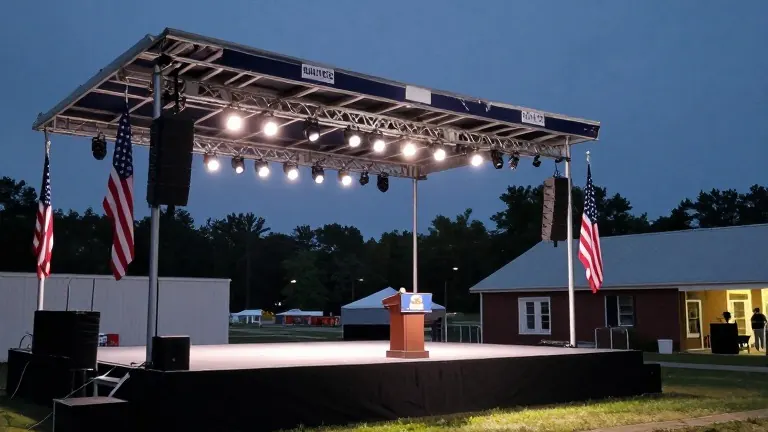
President Donald Trump told supporters at a rally in Corpus Christi last Tuesday that the law he signed in July 2025 delivered the largest tax cuts in American history. He spoke of "a great, big, beautiful bill" alongside a Republican Congress. The law created several tax breaks and reduced funding for some social service programs.
Republicans have pointed to those changes on the campaign trail. Rep. Derrick Van Order, a Wisconsin Republican, told the party's midterm convention in September that voters were unaware of provisions such as "no tax on tips, no tax on overtime." Democrats have pointed to other parts of the law, including its distribution of benefits toward higher earners. James Talarico, a Democratic U.S. Senate candidate in Texas, proposed in an August interview to reverse the tax breaks affecting the top 1% of earners and redirect that $1 trillion to the middle class through a cost-of-living tax adjustment.
Todd Belt, a professor at George Washington University, said the law was not moving voters at this point in the cycle. "That's why affordability is the number one watchword," Belt said. He listed gasoline, groceries, health care, and child care among the costs voters raise with him. "That's just not making a dent in it," he said of tax cuts in relation to those expenses. Elena Patel, co-director of the Urban Brookings Tax Policy Center, said tax policy struggles to address immediate affordability questions. Patel said early provisions of the law benefited middle and lower income households, and that the balance shifts over time toward higher earners.
The law also changed Medicaid, and voters have said those changes carry weight at the polls. Amber Mader, an Arkansas voter who relies on Medicaid and Social Security Disability, said the programs provide her home health nursing and transportation to appointments. She said those services were reduced after the law passed. "It is definitely getting me to look much closer at candidates that are running," Mader said. "We're not going to see a single cent in benefit from these tax cuts." Mader, who is disabled and paralyzed, said she faces daily disruptions to services she needs. Candidates are scheduled to continue making their cases through Election Day.
Patel said the law's effects will grow clearer as the provisions continue. Tax policy changes will not address cost-of-living issues in the near term, she said.
Source: WSMV-TV · original report published
More Politics · Nashville news · Report a business · Got a Story?