
Democrats take back both chambers of Congress after midterm vote
The party secures majorities in the House and Senate, setting the stage for increased oversight of the Trump administration.
By Leah Thompson ·
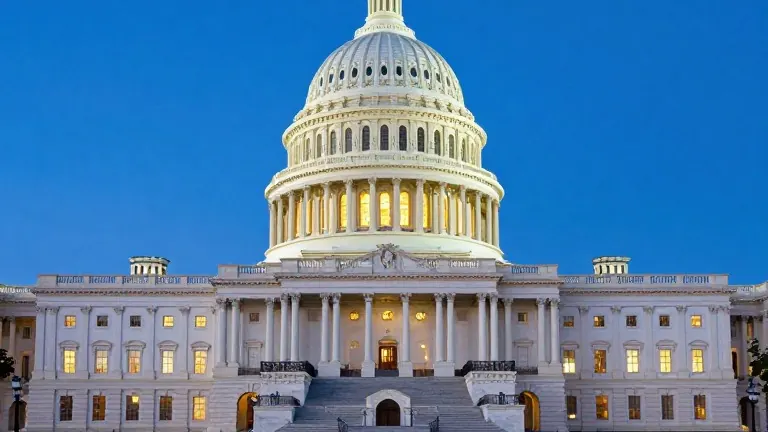
Democratic Party members will control both the House of Representatives and the Senate starting in January. This marks the first time Democrats have held full control of Congress since 2023. The shift returns the party to a position of power that will directly influence national legislation and oversight of the executive branch.
The election results show a decisive change in the composition of Washington. Democrats flipped seven Senate races from Republican control. Those states include North Carolina, South Carolina, Ohio, Texas, Kansas, Iowa, and Maine. The party also retained its seat in Georgia. In the House, Democrats secured wins in several key districts, including at least three in Florida that had been redrawn by state lawmakers to favor Republicans.
Rep. Hakeem Jeffries of New York is expected to become the next Speaker of the House. He addressed the outcome shortly after the results were clear. "From sea to shining sea, the American people have spoken and made clear they’ve had enough of the extremism, enough of the corruption," Jeffries said. He stated that House Democrats intend to deliver for voters as soon as they take office in January.
President Trump has responded to the loss of unified Republican control. In an interview published on Monday, he said he would block Democratic legislation if the party takes control. "I’ll become Mr. Veto," Trump said. He added that he and Democrats would probably make deals at some point. The president retains the power to veto bills, meaning new laws will likely need his signature to become effective.
Democrats have outlined plans for a robust agenda of investigations once the new Congress is sworn in. Rep. Robert Garcia of California, who is expected to chair the House Oversight committee, posted a statement on social media. "LAWYER UP," Garcia wrote. Potential inquiries include the independence of agencies like the Justice Department and Homeland Security, as well as the business interests of the president and his family.
The loss of the Senate majority is a setback for Republican leadership. Majority Leader John Thune of South Dakota defended the party’s record in a post on X. "Senate Republicans have put up a strong record of accomplishment that’s created safer streets, more money in Americans’ pockets, and new opportunities for families and businesses to get ahead," Thune wrote. He expressed pride in his team and said the party would not stand idly by as Democrats attempt to change policy.
Democrats will also have to work with Republicans on essential legislation, such as the twelve annual appropriations bills needed to fund the government. Control of the Senate will also slow the confirmation of Trump-nominated judges. Any Cabinet nominees will now require the support of several Democrats to secure a permanent appointment.
Voter frustration with the cost of living was a central theme of the campaign. These concerns drove the messaging in the seven Senate races that flipped. In the House, Democrats defeated four Republican incumbents in competitive districts across Pennsylvania. The results reflect a national trend where voters prioritized affordability and accountability over party loyalty in many swing districts.
Source: WNXP · original report published
More Politics · Nashville news · Report a business · Got a Story?