Vote Day Guide: Tennessee Poll Hours, ID Rules, and Mail Ballot Deadlines
Voters in Davidson County and across Tennessee face varying poll hours and strict ID requirements while the U.S. Postal Service works to ensure mail ballots are counted in time for the 2026 midterm elections.
By Leah Thompson ·
Tennessee voters in Davidson County and neighboring areas must check their specific county election commission for today's polling hours, as the state does not mandate a single statewide opening time. According to Ballotpedia, each county election commission determines the opening time for its polling places at least 15 days before the election, meaning schedules differ across Nashville, Franklin, and Hendersonville. Voters are advised to verify their specific location and hours at vote.gov or their local election office to avoid confusion during this critical midterm cycle. The variation in times is a key logistical detail for residents in Brentwood and Smyrna who may be traveling to different precincts based on their residential registration.
Once at the polling place, Tennessee residents must be prepared to show valid identification, as state rules require voters to present ID to cast a ballot. The Associated Press notes that ID rules vary by state, but in Tennessee, specific forms of government-issued photo ID are generally required. Voters who are unsure of their documents should check their state's specific rules before heading out to the polls. This requirement applies to in-person voting, and election officials are prepared to assist those who may have questions about acceptable forms of identification during the voting process.
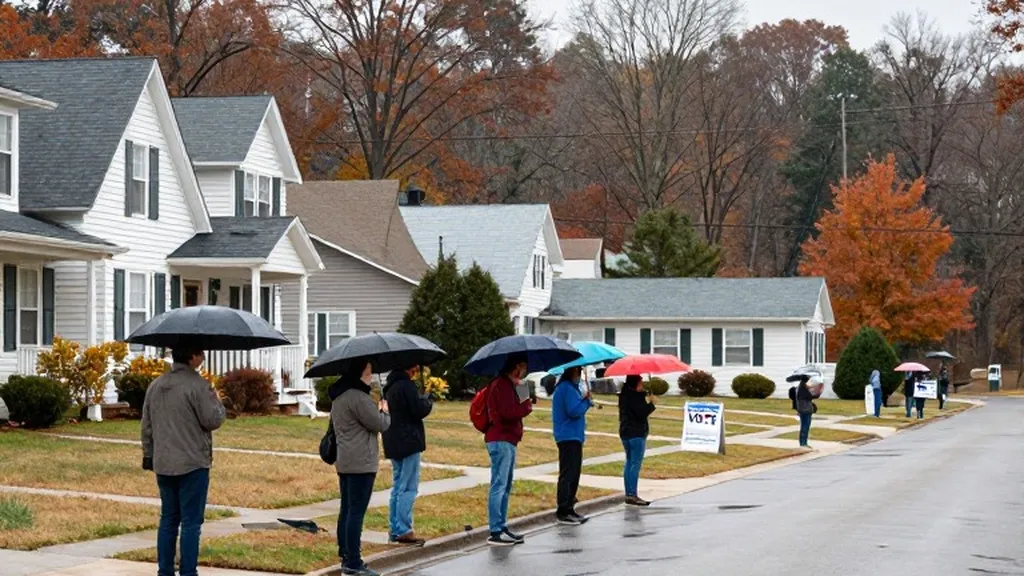
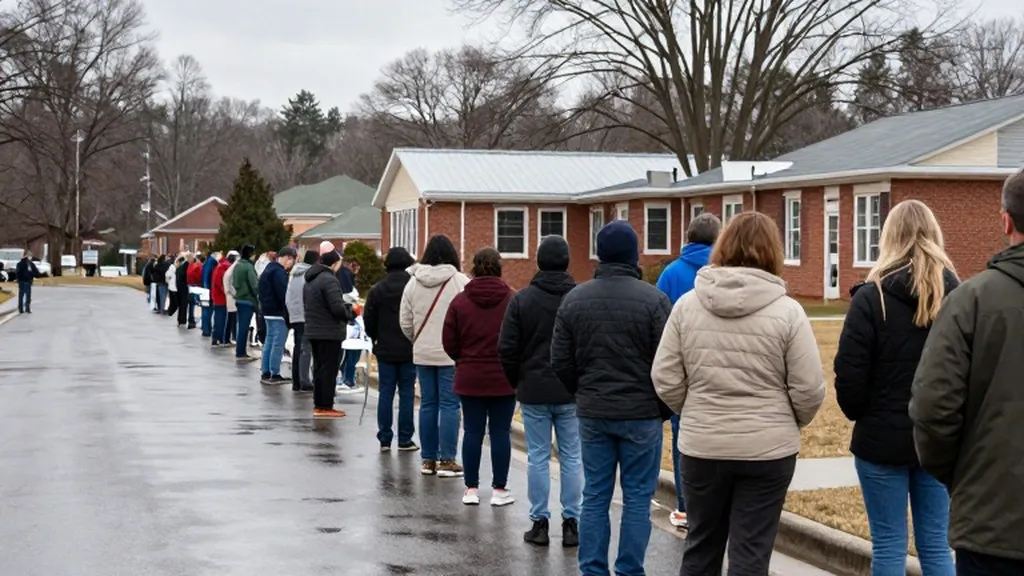
Anyone who is in line when the polls close is entitled to vote, a rule that is crucial for voters in high-traffic areas of Davidson County. As lines can form during peak hours, arriving early is recommended for those in Mount Juliet and other parts of the county. The Associated Press reports that more than 57 million people had already voted as of Monday, surpassing the early vote of four years ago in many closely watched states. This high volume of early voting suggests that in-person lines today may be shorter than in past midterms, but the rule ensuring that those in line at closing time can vote remains a vital protection for last-minute voters.
Mail ballots are also part of the equation for Tennessee residents who chose to vote by mail. The U.S. Postal Service has added hours, staff, and special lines to ensure that mail ballots are counted on time, according to Reuters. This logistical push is designed to mitigate delays that can occur in the final days of an election cycle. Voters who mailed their ballots should ensure they were postmarked and sent within the deadlines established by the state, as the Postal Service's expanded efforts aim to guarantee that these votes are included in the final tally without issue.
Beyond the mechanics of voting, Davidson County voters are deciding the fate of the U.S. Senate seat held by incumbent Republican Bill Hagerty. Ballotpedia confirms that Hagerty is on the ballot, facing Democratic and Independent challengers. The race is one of 35 Senate contests nationwide, with Republicans currently holding 53 seats and Democrats holding 45. A net gain of four seats is required for Democrats to achieve a majority, making every vote in Tennessee's Senate race a significant factor in the national balance of power.
Voters in Davidson County are also choosing a new governor, as the seat is open with no incumbent running. The Associated Press highlights that 36 governorships are on the ballot in this midterm election. In Tennessee, the race includes candidates from the Democratic, Independent, and Republican parties. This open contest adds to the number of races without an incumbent, a trend seen in 19 of the 36 governor's races nationwide due to term limits or candidate decisions not to run.
Every U.S. House seat in Tennessee is on the ballot, including the districts that encompass Davidson County. Ballotpedia notes that all 435 House seats are up for election in this midterm. In Tennessee, the state uses a new congressional map following mid-decade redistricting, which impacts the boundaries of the districts voters are representing. The Associated Press reports that 60 House incumbents did not run again, with 23 Democrats and 37 Republicans among those leaving office. This high turnover ensures that many voters in Nashville and surrounding towns are voting for first-time candidates in their districts.
Nationally, the election is described by the Associated Press as a referendum on President Donald Trump's second term. Polling data from AP-NORC indicates that 35% of U.S. adults approve of Trump's job performance, while about seven in 10 say the country is heading in the wrong direction. These sentiments are influencing voter behavior across the country, including in Davidson County. The Associated Press notes that Republicans were bracing to lose the House while fighting to hold the Senate, with Democrats expressing cautious optimism about their chances in this pivotal election.
The U.S. Postal Service's role in counting mail ballots is critical, as Reuters reports that the agency has implemented special measures to handle the volume of mail-in votes. This includes adding staff and extending hours to process ballots efficiently. For voters in Franklin and Hendersonville who opted for mail ballots, these measures provide reassurance that their votes are being handled with the necessary speed and accuracy. The Postal Service's efforts are part of a broader administration of the election that aims to ensure all votes are counted by the deadline.
Local voters in Davidson County should also be aware of the state and local offices on their ballots. Ballotpedia lists State Senate, State House, State Supreme Court, Intermediate appellate courts, School boards, Municipal government, and Ballot measures as part of the 2026 elections in Tennessee. These races and measures vary by county, so residents in Smyrna and Brentwood should check their specific ballot for local items. The inclusion of these local contests ensures that voters can make decisions on issues directly affecting their communities, from school boards to municipal governance.