UNL expert warns producers to fix cattle body condition before winter cold
Dr. Brian Vander Ley from the University of Nebraska-Lincoln advises herds to focus on nutrition and biosecurity now to prevent respiratory disease and weight loss this winter.
By Fernando Rojas ·
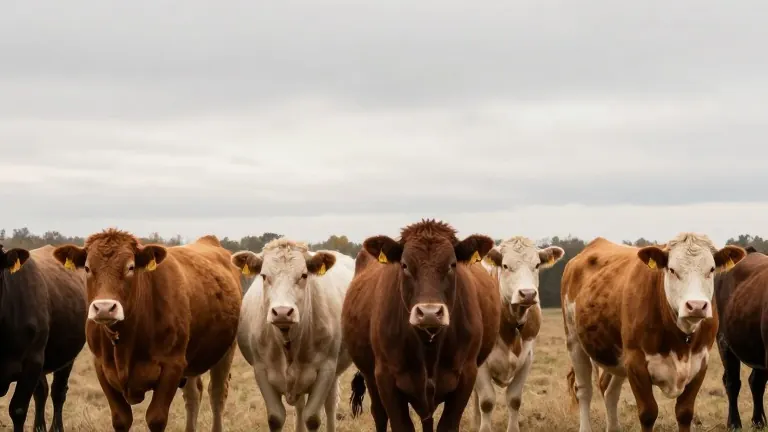
Cattle producers should evaluate their herds' body condition and nutrition plans immediately, rather than waiting for the first major freeze, to ensure animals survive the coming winter. Dr. Brian Vander Ley of the University of Nebraska-Lincoln spoke on the Market Day Report program about how fall preparation determines herd health in the colder months.
Vander Ley noted that fall is the primary window for assessing cows that have recently been pregnancy-checked or are approaching that process. He urged producers to review their current nutrition strategies to add weight to cows that are underweight. Gaining condition now provides a physical foundation that helps animals handle the stress of winter and the next production cycle.
Respiratory disease presents a major risk for calves during this season, particularly in the Northern Plains where temperatures fluctuate widely. The stress of weaning, combined with transportation and changing weather, makes young cattle more vulnerable to illness. Vander Ley stressed that producers must monitor calves closely because animals rarely display obvious signs of sickness.
“Remember that calves don’t want to show you they’re sick,” Vander Ley said. “Be really vigilant. Catch them early. Early treatment is very effective at this time of year.” He advised that identifying problems quickly is essential for effective intervention before the condition worsens.
Biosecurity practices remain a critical part of herd management. Vander Ley recommended that producers keep newly acquired cattle separated from the existing herd for a set period to allow them to acclimate. This isolation helps reduce the risk of introducing new viruses or bacteria into the group. He also cautioned against moving animals between different groups, especially when managing pregnant cows, to limit unnecessary mixing.
As temperatures drop, adequate body reserves serve as natural insulation and an energy source for cows. Vander Ley encouraged producers to consult with a qualified nutritionist to develop specific plans for animals that need to gain condition while maintaining those already in good shape. Taking a close look at feed and nutrition before the winter arrives helps avoid problems when cold weather increases the energy demands on the herd.
Source: RFD-TV · original report published
More Business · Nashville news · Business Watchdog · Report a business · Got a Story?