Grain price jump could force $9.6 billion in payments
CoBank economists warn that a $1-per-bushel rise in futures would trigger massive margin calls for elevators holding record short positions.
By Leah Thompson ·
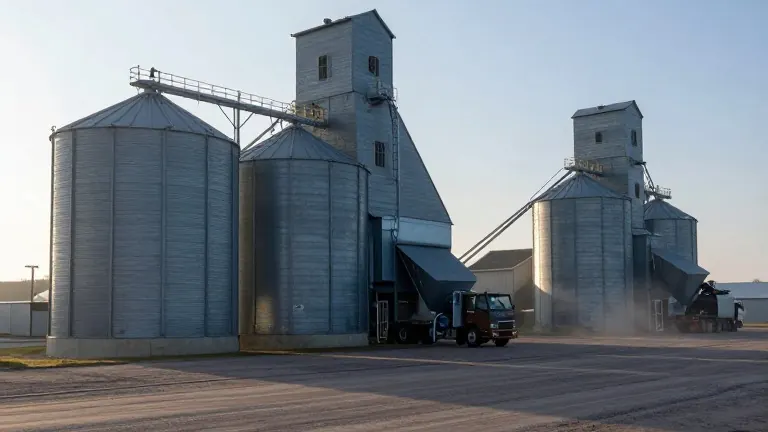
A one-dollar-per-bushel increase in corn, soybean, and wheat futures could force grain elevators and commercial traders to pay out $9.6 billion in margin calls, according to CoBank. This liquidity event stems from the sector currently holding some of the largest net short positions seen in recent years. The financial exposure is a direct result of heavy farmer selling earlier in the marketing year.
Tanner Ehmke, the lead grains and oilseeds economist at CoBank, explained that the risk arises from how grain is sold. When farmers delivered their harvests, many executed direct cash sales rather than entering contracts that allowed elevators to hedge price exposure before taking ownership. Ehmke described the transaction dynamic simply: "The farmer said, give me cash, here’s the grain. See you. Have a nice day. I’m going to go pay some bills." This approach transferred the market risk to the grain merchandisers.
Merchandisers typically manage the price risk of owned grain by taking short positions in the futures market. If futures prices rise, those short positions lose value, requiring elevators to post margin immediately. This creates a temporary liquidity gap because the physical grain in the bin is gaining value while the financial accounts are draining. CoBank notes that this timing mismatch is more dangerous this year because the scale of the short positions is historically high.
The pressure on elevators is compounded by rising costs. Merchandisers are buying grain at higher prices while facing higher interest rates to finance that inventory. Ehmke noted that futures market spreads may not provide enough return to cover the cost of storing the grain. To reduce this exposure, elevators are moving grain to end users as quickly as possible. The sector is currently dealing with higher costs to purchase, store, and finance the crop.
End-user demand is helping to relieve this pressure. Ehmke pointed to tightening basis levels as a positive sign of demand in various markets. Buyers include cattle feeders, ethanol plants, flour mills, and soybean processors. The pace at which these buyers continue to purchase grain will determine how quickly merchandisers can reduce their inventories and financial exposure. Short positions held by elevators have already started declining, indicating that merchandisers are buying back futures positions as end users take ownership.
Domestic demand remains a key support for corn and soybeans. Lower prices have encouraged end users to buy, and soybean crush demand has remained strong, supported in part by renewable fuel demand. For corn, exports, ethanol production, and livestock feed have helped keep demand resilient. However, wheat faces more challenges. Export demand for wheat is facing competition from countries such as Australia, which produced a larger-than-expected crop. This makes the wheat market more concerning than the corn and soybean sectors.
Financial stress at elevators could affect grain movement, payment timing, and local merchandising decisions if volatility increases sharply. Agricultural lenders, including CoBank, are monitoring the situation as elevators face higher inventory values and increased financial demands. The potential for billions of dollars in margin calls has raised concerns about the liquidity of the grain merchandising sector during this marketing year.
Source: RFD-TV · original report published
More Business · Nashville news · Business Watchdog · Report a business · Got a Story?