
Rural Breast Cancer Death Rate Jumps to 9.3 Percent Above Urban Areas
American Cancer Society data shows the survival gap for women in nonmetropolitan areas has nearly tripled since 2010, driven by distance and cost barriers.
By Fernando Rojas ·
American Cancer Society researchers report that the death rate for breast cancer patients in rural areas has climbed to 9.3 percent higher than in large metropolitan cities. This figure represents a sharp increase from the 3.4 percent difference recorded between 2010 and 2016. The new data covers diagnoses from 2017 through 2023.
Dr. Robin Yabroff, scientific vice president of health services research at the American Cancer Society, explained that the trend has reversed. For years, urban women faced higher rates of late-stage diagnosis and death. Now, the data shows rural women are more likely to be diagnosed at a later stage and face lower survival rates. Yabroff noted that advances in detection and treatment are not reaching all communities equally.
The widening gap stems from structural barriers in rural healthcare. These areas often have fewer primary care providers and a shortage of oncology specialists. Some rural hospitals are also at risk of closing. Patients in these communities frequently must travel long distances to receive screening, diagnosis, and specialized treatment. The financial burden includes transportation, lodging, and other expenses incurred while away from home.
Insurance coverage does not always resolve these costs. Yabroff described many rural patients as underinsured. They have health coverage but still struggle to afford care, especially when specialty treatment is outside their provider network or far from home. Fuel prices further increase the cost of traveling for treatment.
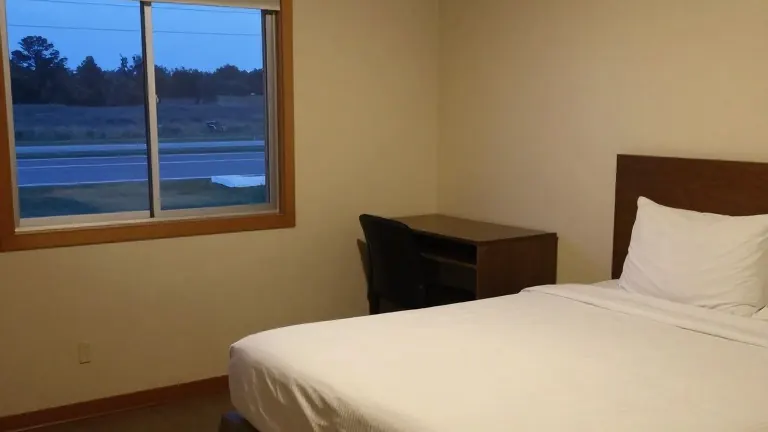
The American Cancer Society operates the Hope Lodge program to help patients manage these expenses. The program provides free lodging for cancer patients and caregivers traveling for treatment. It currently runs 31 locations across the United States and Puerto Rico. Removing the cost of lodging allows patients to access care they might otherwise postpone or avoid.
Yabroff stated that expanding health insurance coverage is associated with earlier diagnoses, earlier treatment, and better survival. She emphasized that policies improving access to affordable insurance and specialty care can help reduce the disparity between rural and urban outcomes. The organization maintains a 24-hour helpline at 1-800-227-2345 for patients and families seeking information on resources and support services.
Yabroff said the guiding principle for the American Cancer Society is that everyone should have an equal and just opportunity to prevent, diagnose, treat, and survive cancer. She stated this should hold true regardless of where a patient lives.
Source: RFD-TV · original report published
More News · Nashville news · Report a business · Got a Story?