Nintendo revives classic: Ocarina of Time remake lands on Switch 2
The 1998 N64 title receives a visual overhaul and mechanical updates designed to modernize the original experience without altering its core structure.
By Gavin Wilson ·
Nintendo releases The Legend of Zelda: Ocarina of Time for the Switch 2 on November 5. The remake updates the 1996 N64 original with new visuals and adjusted mechanics. The title serves as a major exclusive for the new hardware.
The game retains the original plot. Link travels through the kingdom of Hyrule to defeat Ganondorf. Players use a magical ocarina to learn songs that alter weather, warp location, and manipulate time. The structure remains linear, connecting a series of dungeons with an open field. This design contrasts with the fully open worlds of recent entries like Breath of the Wild and Tears of the Kingdom.
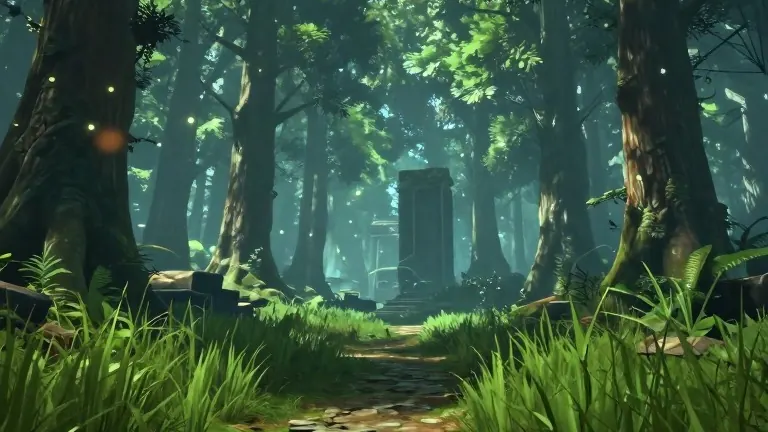
Visuals replace the blocky N64 aesthetics with a style that blends fantasy art and realism. Environments feature realistic water movement and swaying grass. Characters are rendered with a puppet-like design that features exaggerated features and detailed textures. The graphics aim to heighten emotional impact during key scenes, such as the final battle with Dark Link on a foggy beach.
Gameplay changes address specific controls from the original release. The remake introduces free camera control via the right stick. Players can jump anywhere, rather than only at designated points. The D-pad allows for quick item equipping, removing the need for a pause menu. A quest tracking tool helps players follow the story.
These adjustments alter the difficulty of specific challenges. The Water Temple, a dungeon known for its complexity, relies on playing songs to manage water levels and equipping iron boots. The updated controls make these tasks more manageable. The original technology hindered the dungeon design, but the remake allows players to appreciate the intended puzzle mechanics.
Additional updates include expanded dialogue and the ability to hum songs into the Switch 2 microphone. The character Navi provides fewer hints than in the original. The game is available for those who have not played the 3DS port or the Switch Online version. The release demonstrates that the traditional Zelda formula remains viable alongside the franchise's open-world experiments.
Source: The Verge