Lindsey Fitzharris publishes new biography of Joseph Bell
The medical historian examines the Edinburgh surgeon's diagnostic techniques that directly influenced Arthur Conan Doyle's fictional detective.
By Leah Thompson ·
Readers of Sherlock Holmes may recognize the detective's ability to deduce a person's background from physical clues, a trait rooted in the real-life methods of Joseph Bell. A surgeon at the University of Edinburgh, Bell served as the primary model for Conan Doyle's character. Medical historian Lindsey Fitzharris explores this connection in her new book, Sleuth-Hound: The Case of the Real Sherlock Holmes.
Fitzharris is a science communicator known for her work on medical history. She published The Butchering Art in 2017, a biography of Joseph Lister, and followed it with The Facemaker in 2022, which details the work of World War I surgeon Harold Gillies. In 2020, she hosted the Smithsonian Channel documentary The Curious Life and Death Of…, where she used virtual autopsies and blood samples to investigate famous deaths. Last year, she and her husband Adrian Teal co-authored the illustrated children's book Dead Ends! Flukes, Flops, and Failures that Sparked Medical Marvels.
Bell practiced in the same Edinburgh that featured in Fitzharris' previous work. He developed a diagnostic style that focused on visual observation rather than standard examinations. He could identify a patient's profession, habits, and physical ailments by looking at them. His approach combined clinical observation with elements of detective work.
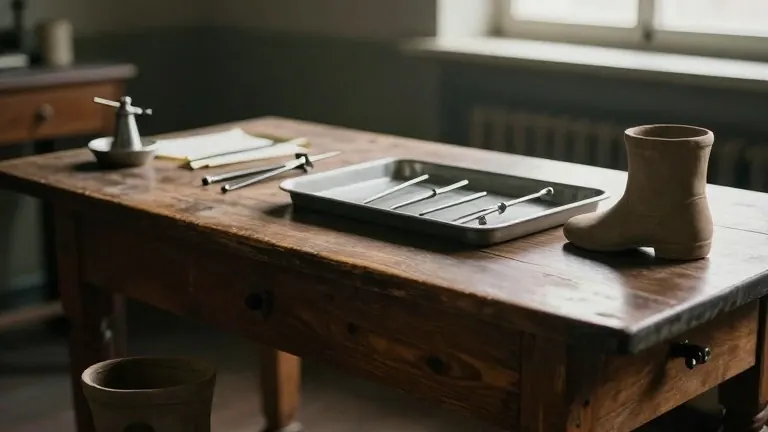
One specific incident illustrates his method. Bell determined a patient's walking route to the infirmary by analyzing the type of clay on their boots. Conan Doyle adapted this event for the novel The Sign of the Four. Bell also collaborated with a local police surgeon on high-profile murder cases, acting as a medical detective.
In an interview with Ars Technica, Fitzharris explained that while Bell was known to the Sherlockian community, few commercial books addressed his life. A 1982 book by Ely Liebow offered some insight, but Fitzharris aimed to apply a medical history perspective to the subject. She wanted to detail the specific medical context of Bell's career.
The book positions Bell within the era of Edinburgh surgery, a period marked by the discovery of ether and the presence of body snatchers. Fitzharris uses this setting to examine how Bell's environment shaped his diagnostic skills. The narrative links his personal history to the creation of Holmes.
Source: Ars Technica