Iran Sets Seven Conditions to End Stalemate With US
Tehran demands lifting of naval blockade and sanctions relief, while Washington maintains economic pressure as shipping through the Strait of Hormuz drops sharply.
By Leah Thompson ·
Iranian parliament speaker Mohammad Bagher Ghalibaf stated that Tehran has set seven specific conditions to end the current stalemate with the United States. The Iranian government is waiting for Washington to accept these terms before it will agree to a ceasefire and reopen the Strait of Hormuz.
The conditions include lifting the US naval blockade on Iranian ports, providing sanctions relief, releasing frozen Iranian funds, and formally declaring the war over. Ghalibaf noted that these terms were part of a memorandum of understanding reached in Islamabad in June. He said the ball is now in the American court.
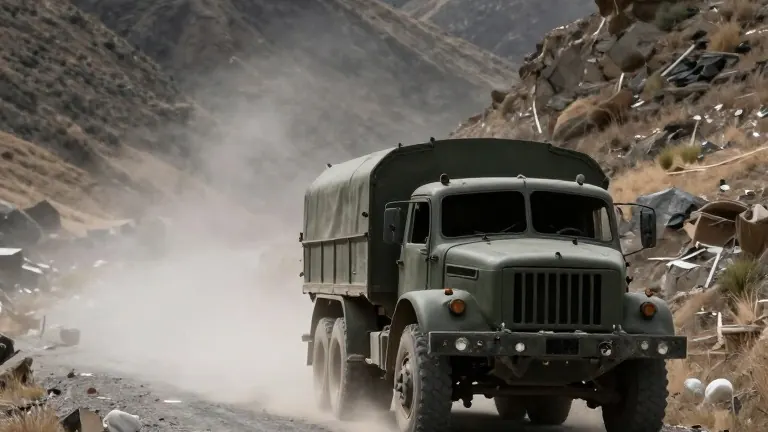
US President Donald Trump has opted to increase economic pressure rather than restart the war or make immediate concessions. The administration tightened sanctions and maintained the blockade on Iranian ports. Trump also announced an operation to cut off overland routes used by Iran to transport advanced weapons and technology.
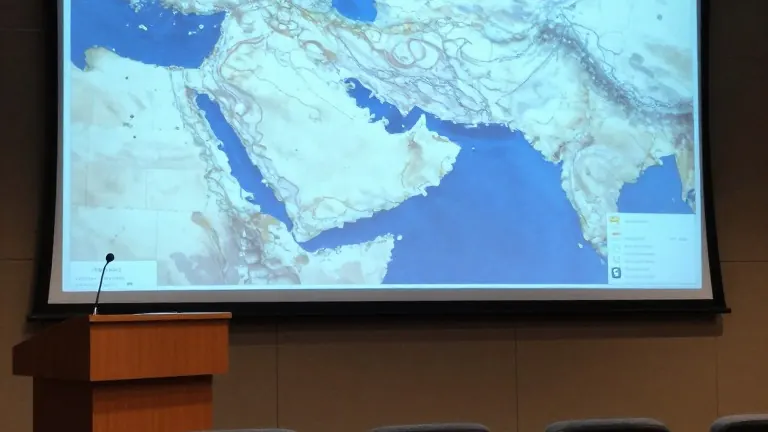
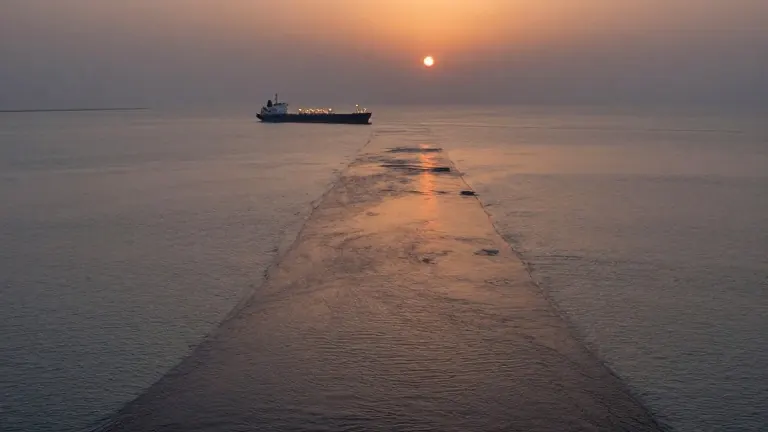
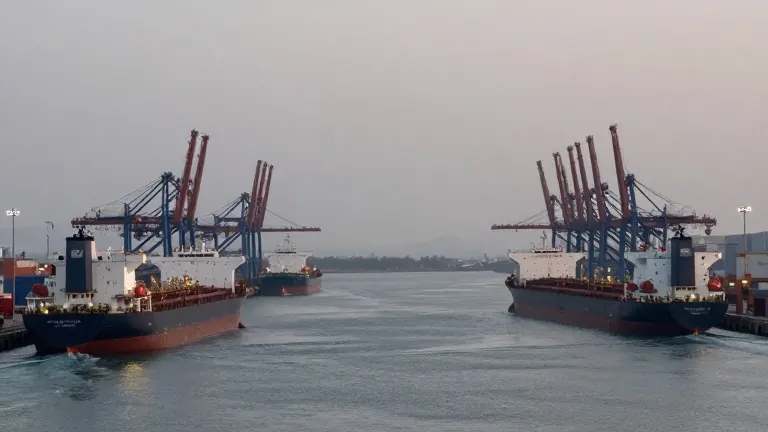
The standoff has disrupted shipping in the Strait of Hormuz. Iran asserts control over which vessels may pass through the waterway. Attacks on tankers using unauthorized routes have forced a sharp decline in traffic. Kpler data showed that only five commodity vessels crossed on Saturday, November 7. No vessels were recorded on Sunday, November 8. This compares to 31 crossings during the previous weekend.
The Islamic Revolutionary Guard Corps reported a massive explosion on Wednesday night that stopped two supertankers carrying more than four million barrels of oil. The guard said the vessels were traveling along an unauthorized route. Analysts say these intermittent attacks allow Iran to maintain leverage over Washington by raising the cost of the stalemate.
Ghalibaf told Al Jazeera that the waterway would never return to its pre-war status. Ali Vaez, deputy programme director for the Middle East and North Africa at the International Crisis Group, described the current equilibrium as inherently unstable. He said both sides are banking on the other’s pain threshold being lower than their own.
Qatar is working to mediate a resolution. Qatari Prime Minister Sheikh Mohammed bin Abdulrahman bin Jassim Al Thani met with Trump at the White House on Monday. Trump said there is momentum towards the end of the conflict. However, US Secretary of State Marco Rubio described Iran’s demands as unacceptable.
US Vice President JD Vance supports a negotiated deal, while Treasury Secretary Scott Bessent and CIA Director John Ratcliffe back maintaining economic pressure. Albert Vidal of the International Institute for Strategic Studies said the US is slightly more keen on the current stalemate due to the economic pressure. He noted that Democrats taking control of Congress in January could limit the administration's ability to sustain military operations.