Trump orders Vance to drop Iran focus and hunt domestic corruption
The president's social media directive comes as oil tankers face new attacks in the Strait of Hormuz and Democrats prepare to take control of Congress.
By Mia Bennett ·
The eight-month war in Iran has dominated Washington policy for years, but President Donald Trump decided this week that the fighting is effectively over. On Thursday, he issued a direct order to Vice President JD Vance via social media. He told the vice president to stop focusing on Tehran and instead target corruption and crime in Democratic-led jurisdictions.
Trump’s post was a sharp break from the administration’s recent diplomatic posture. Vance had served as the lead negotiator for a temporary truce earlier this year. Following the Republican losses in the November 3 midterm elections, Vance publicly linked those defeats to the war. He argued that the economic fallout from the conflict hurt the party’s standing with voters.
In his X post, Vance did not soften his critique. He asked followers to consider whether losing the Senate for six years was a worthwhile cost for the conflict. He suggested that arguing it was worth it required honesty. Trump’s response dismissed the ongoing diplomatic efforts. He wrote, "We don’t need a deal with Iran. Those days have long since passed."
The president claimed the U.S. already holds significant leverage. He stated, "We’ve got their money, Hundreds of Billions of Dollars, and we’ve got their Strait!" Earlier in the week, Trump told reporters he believed the war was militarily concluded. He directed Vance to give his "complete and total attention" to the anti-fraud campaign.
The timing of the directive aligns with political shifts in Congress. Democrats, who won control of both chambers, have pledged to scrutinize Trump’s business dealings starting in January. The White House press office confirmed in an email that the president sees no need for further negotiation with Iran. Vance’s office did not respond to requests for comment.
Reports emerged Wednesday that Vance was considering a new round of direct talks with a senior Iranian official. This possibility adds complexity to the president’s claim that the issue is closed. Trump also noted on Thursday that he was ready to restart airstrikes if necessary. He told The Hugh Hewitt Show, "If something doesn’t work out, I would not hesitate."
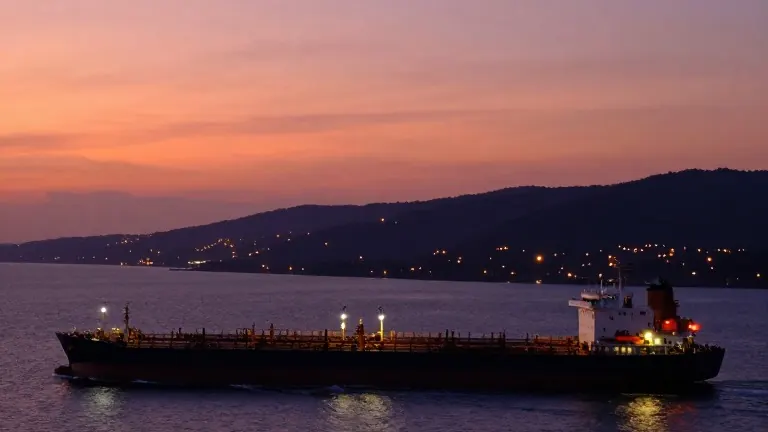
Tensions remain high in the Persian Gulf despite the political shift. Oil shipments out of the Strait of Hormuz have returned to near prewar levels. However, international tankers still rely on U.S. Navy escorts for safe passage. The U.S. military has recently conducted limited strikes against Iranian air defenses.
Maritime safety data shows an uptick in attacks on commercial vessels. The United Kingdom Maritime Trade Operations Center reported that a tanker was struck by a projectile in the Strait of Hormuz on Wednesday. The crew evacuated safely without casualties. Another tanker was hit in the Persian Gulf on Tuesday, with several crew members taken ashore for medical assistance.
Secretary of State Marco Rubio told his Group of Seven counterparts in Paris this week that the alliance needs to step up protection for ships. He acknowledged that progress on the issue has been slow. Meanwhile, a Saudi-led coalition continues to fight Iranian-backed Houthi rebels in Yemen, making the Bab el-Mandeb Strait a precarious route for oil transport.
Iran’s parliament speaker, Mohammad Bagher Qalibaf, offered a different view of the diplomatic channel. In an interview with Al Jazeera, he claimed the U.S. asked Russian President Vladimir Putin to facilitate direct negotiations. Qalibaf said the U.S. side must decide if they are sincere about talks or if they prefer the path of war.