
Corn rootworm costs U.S. farmers over $1 billion a year
Syngenta agronomist says new trait technologies offer strong protection, but field-level management still matters.
By Fernando Rojas ·
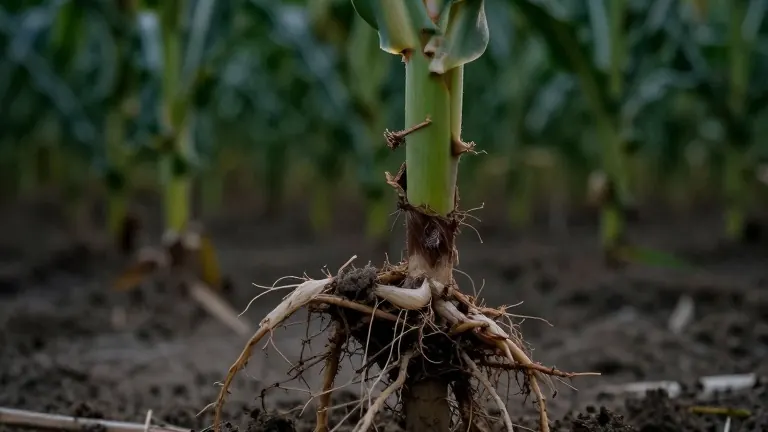
U.S. corn growers lose more than $1 billion every year to corn rootworm. The figure includes both lost yield and the cost of managing the pest. Farmers now face this expense as they plan for the 2027 growing season.
Bruce Battles, head of technical agronomy at Syngenta, discussed the issue on Market Day Report. He noted that damage often appears in unexpected places. This season, he found issues in some second-year corn fields, while continuous corn acres continued to show typical risks. He stated that overall pressure across the Corn Belt has not changed dramatically in recent years. Instead, differences appear at the field level, driven by local weather and management choices.
Rotation remains a primary defense, but it does not always work. Battles explained that extended diapause allows rootworm eggs to remain in the soil and hatch in a later season. This behavior can reduce the effectiveness of simple rotation. Insecticides offer another option, but he warned against selecting products based solely on price. He said lower-cost generic products may suffice in low-pressure areas, but fields with heavy infestations often perform better with newer, more effective products.
Syngenta trials this year showed distinct performance gaps between management tools. Insecticide treatments reduced rootworm damage by more than two-thirds. In comparison, effective trait technology provided a reduction closer to 90 percent. Battles highlighted the company's new Durastak technology, which adds a third Bt protein for protection. He reported that this addition improved control levels by approximately two times compared to the previous trait technology.
In one test using the same hybrid, switching to the new trait package resulted in a 9.7-bushel-per-acre yield advantage. Battles cautioned that traits are not a complete solution on their own. He emphasized that growers must rotate technologies and combine them with other practices to manage resistance. This approach helps preserve the effectiveness of the available tools.
Producers should evaluate rootworm pressure in each field before making seed and management decisions for next season. Fields planted in continuous corn, areas with a history of damage, and zones with extended diapause may need extra attention. Battles advised farmers to consider rotation, insecticide options, and trait selection together. Relying on a single tool is less effective than using a combination tailored to specific field conditions.
Source: RFD-TV · original report published
More Business · Nashville news · Business Watchdog · Report a business · Got a Story?