World Cup spending in Kansas City hits $570 million
The metro attracted 680,000 visitors, beating forecasts, but generated $80 million less in direct spending than predicted due to fewer international guests.
By Mia Bennett ·
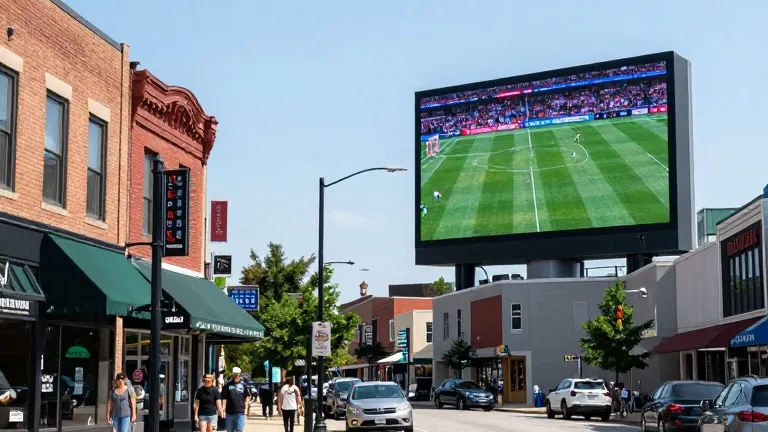
Kansas City officials reported that the 2026 FIFA World Cup generated an estimated $570 million in direct spending across the region. This figure falls short of the $650 million projection established by VisitKC, the city’s tourism and marketing organization. The shortfall stems primarily from lower international attendance and shorter stays by foreign visitors.
Despite the dip in revenue, the city exceeded its visitor count targets. VisitKC estimated that 680,000 people traveled to the metro area between June 11 and July 19. That number surpasses the initial goal of 650,000 visitors. The city invested approximately $200 million in public funds to host the event and market itself to a global audience.
Spending was concentrated in the food and beverage sectors, aided by extended operating hours for bars. Hotels in the Kansas City area earned more than $119 million in room revenue between June 14 and July 11. Short-term rental properties also saw a surge, with bookings up 16.5% compared to the previous year. Room revenue for these rentals grew more than 76% year over year, contributing $15.6 million to the total economic impact.
Kathy Nelson, president and CEO of VisitKC and the Kansas City Sports Commission, expressed satisfaction with the financial results. She stated that the $570 million in economic impact over two months is a rare occurrence in her career. Nelson noted that international travel was hindered by concerns over $15,000 entry bonds and the threat of detention by U.S. Immigration and Customs Enforcement. Travelers from Canada were down more than expected, while visitors from Argentina, the Netherlands, Ecuador, and Mexico led international attendance.
International guests did not stay as long as FIFA guidelines suggested. The organization advised host cities to anticipate stays of around 10 nights. However, the average international guest remained for only two to three nights. The four base camps in Kansas City and Lawrence also attracted fewer long-term guests than originally planned.
Mayor Quinton Lucas described the tournament as a major success that strengthens the region's brand. He believes the event will help secure future competitions, including the NCAA Men’s Final Four and the FIFA Women’s World Cup in 2031. Lucas said the influx of money supports local government coffers and helps businesses expand. He emphasized that the event creates opportunities for neighbors and local industries to grow.
The tournament introduced new infrastructure and services to the city. The KC20206 planning committee added extra transit routes and increased service through the Kansas City Area Transportation Authority. Johnson County, Kansas, also implemented a direct line to the airport. Small businesses received support through the city’s Open Doors! program, and public parks and facilities underwent improvements.
Lucas stated that the primary question now is how to sustain these improvements financially. He said the work of government is to ensure revenues can support the new transit and infrastructure in the long term. The city aims to make some of these changes permanent as it moves beyond the tournament.
Source: KCUR 89.3
More Business · Business Watchdog · Report a business · Got a Story?