Washington tree fruit growers weigh AI costs amid financial squeeze
Years of low returns have depleted farm reserves, making new technology investments a difficult gamble for producers.
By Gavin Wilson ·
Washington tree fruit growers are facing a difficult choice. They need new tools to cut costs, but they lack the cash to buy them. This tension is reshaping how farms in the state operate.
Jon DeVaney, president of the Washington State Tree Fruit Association, told RFD-TV that producers have endured several years of flat or low returns. Production costs keep climbing, but growers cannot easily raise prices on their crops. Many farms are now using up their savings. Some have already sold their orchards.
"It's really a challenging situation," DeVaney said.
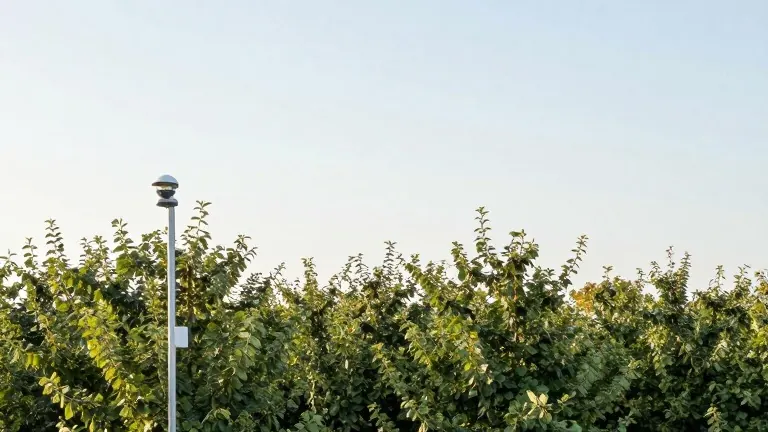
Artificial intelligence, weather sensors, and automated equipment could improve efficiency. However, the upfront cost remains a major barrier. DeVaney noted that farmers must trust a technology will work before spending their limited funds. Research partners, particularly land-grant universities, help validate these tools. They test whether new systems actually deliver the promised benefits.
Washington State University researchers are developing specific AI applications. These tools aim to improve weather predictions and guide pesticide use. They also help growers anticipate heat damage to fruit. Using university-developed software may allow producers to keep control of their own farm data instead of relying on outside vendors.
DeVaney observed that financial pressure is also changing ownership structures. Outside investors, including private equity firms, are entering the tree fruit industry. This consolidation can spread costs, but it brings new expectations. Investors often demand detailed data and analytics to judge business performance. Growers working with these partners must learn to produce and interpret that information.
Looking ahead five to ten years, DeVaney said technology access will determine which farms survive. The industry needs ways to make effective tools available to smaller operations, not just the wealthiest ones. Recent events show growing interest in this sector. The FIRA USA conference took place in Yakima from October 20 to 22. It drew about 2,500 attendees from across agriculture and technology. DeVaney said this turnout signals that useful tools are coming to market, offering hope to producers struggling with current economic conditions.
Source: RFD-TV · original report published
More Business · Nashville news · Business Watchdog · Report a business · Got a Story?