UAE adviser warns of long uncertainty as US keeps 38 bridges in sights
Anwar Gargash told an Abu Dhabi forum that the region must prepare for a prolonged lack of stability, even as President Trump says fresh strikes are unlikely.
By Gavin Wilson ·
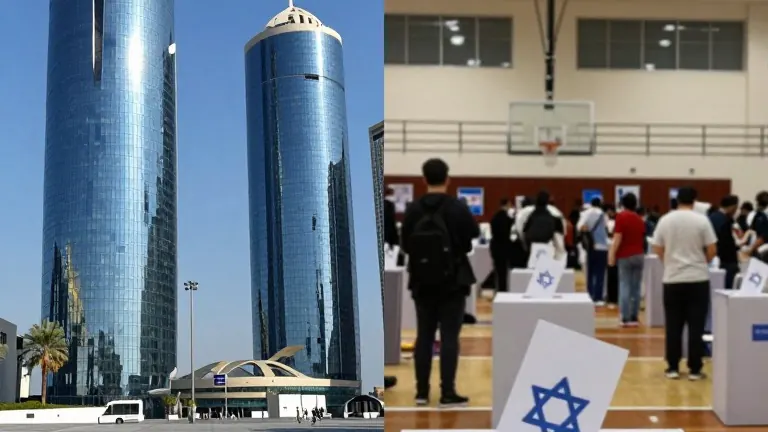
Anwar Gargash, the diplomatic adviser to United Arab Emirates President Mohamed bin Zayed, warned on Monday that the Gulf region should prepare for an extended period of instability. Speaking at a forum in Abu Dhabi, he said that neither a decisive resolution nor a stable regional order can be taken for granted in the coming months.
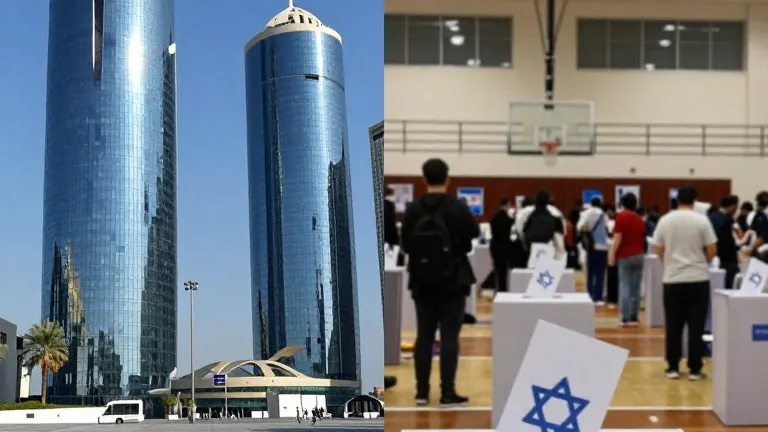
The warning follows a tense week in which anticipation of new American attacks on Iran was high. That expectation waned after Democrats swept the midterm elections on November 3. President Donald Trump and Vice President JD Vance blamed the unpopularity of the US-Israeli war on Iran for their loss.
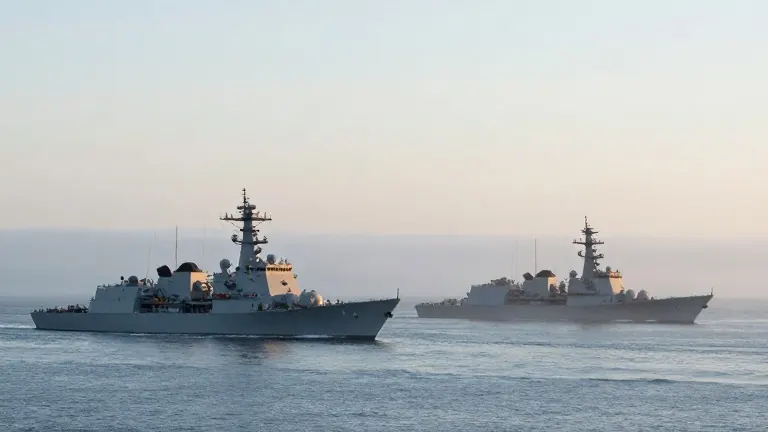
Despite the election results, the military posture remains heavy. The United States currently maintains three aircraft carrier strike groups in the Middle East. Trump told CNN on Monday that it is highly unlikely he will order strikes while negotiations continue. However, he confirmed that the US has already identified civilian infrastructure targets, including 38 bridges that could be knocked down in literally one hour.
History suggests that talks do not prevent conflict. The US and Israel attacked Iran in February during ongoing negotiations. The American strike on Iranian nuclear facilities in June 2025 also occurred while talks were active. Gargash’s remarks reflect the unease in Gulf capitals that another round of war is possible at any moment.
The region currently operates in a state of no war and no peace. The United States is blockading Iranian shipping, while Iran attacks vessels in the Strait of Hormuz. Saudi Arabia faces persistent strikes from the Iran-aligned Houthis in Yemen. This stalemate complicates efforts to draw foreign investment and restore energy exports to pre-war levels.
The United Arab Emirates has been particularly exposed. After the US and Israel attacked Iran on February 28, every Gulf state hosting US military facilities was targeted. The UAE, which initially opposed the February attack, quickly became the most hawkish Gulf backer of the war. It launched air strikes against Iran and pulled a $3.5 billion loan from Pakistan to pressure it against mediating.
The UAE absorbed the heaviest Iranian reprisals, with more than 3,000 missiles and drones directed at the country. Reuters reported that the UAE and other Gulf states played down the scale of these strikes. Iranian attacks on the port of Fujairah hit infrastructure that moves crude oil and refined products from terminals to shipping berths. In September, the UAE shifted toward a more conciliatory posture, with Gargash calling for a new mindset and negotiations to end the war. He added on Monday that the country will invest further in defensive capabilities and stronger international security partners.