
Franklin Rider Sues Over Lyft Guide Dog Rejections
James Rath, a legally blind Franklin resident, is named in a federal lawsuit seeking $53 million from the ride-share company for disability discrimination.
By Leah Thompson ·
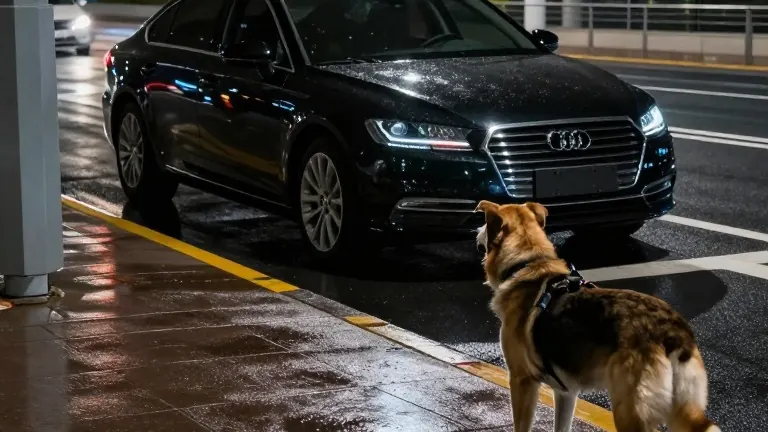
The U.S. Department of Justice has named James Rath, a legally blind man from Franklin, Tennessee, in a federal lawsuit against Lyft. The complaint alleges the ride-share company discriminated against passengers with disabilities by allowing drivers to deny rides to users with service animals and mobility devices.
Rath obtained a guide dog in November 2025. Since then, the federal complaint states he has been repeatedly denied transportation. Rath uses a specific feature in the Lyft application to notify drivers in advance that he travels with a dog. Despite these notifications, drivers have declined to pick him up on multiple occasions.
The lawsuit details a specific incident from June 2026. Rath requested a late-night ride home from an airport. The assigned driver allegedly told Rath he did not take dogs and drove away. The driver did not cancel the trip in the app, which prevented Rath from requesting another Lyft ride while he waited. Rath complained through the app, but the complaint says Lyft did not follow up until three months later, after Rath posted about the experience on social media. The company then issued a $10 credit.
The DOJ filed the suit in a federal court in California. It seeks $53 million for affected riders who submitted complaints to either Lyft or the department. The suit also requests policy changes, driver training, and a civil penalty.
Lyft has rejected the accusations. The company stated that its policies require drivers to accommodate riders with service animals or mobility devices. Lyft said drivers who violate those policies face consequences, including permanent deactivation from the platform. The company also said it has cooperated with the DOJ’s review of the allegations.
The lawsuit argues that Lyft’s current practices effectively penalize riders who rely on assistive devices. The DOJ wants to ensure that riders using stowable wheelchairs and other mobility devices are not denied service. The case will proceed in federal court, where both parties will present their arguments regarding the company’s compliance with disability laws.
More News · Nashville news · Report a business · Got a Story?