Netanyahu Claims Qatar Influenced Israel's Election, Doha Denies Interference
Qatari officials reject claims that their funds boosted Arab voter turnout, while opposition leaders use the dispute to question the Prime Minister's past dealings with Doha.
By Gavin Wilson ·
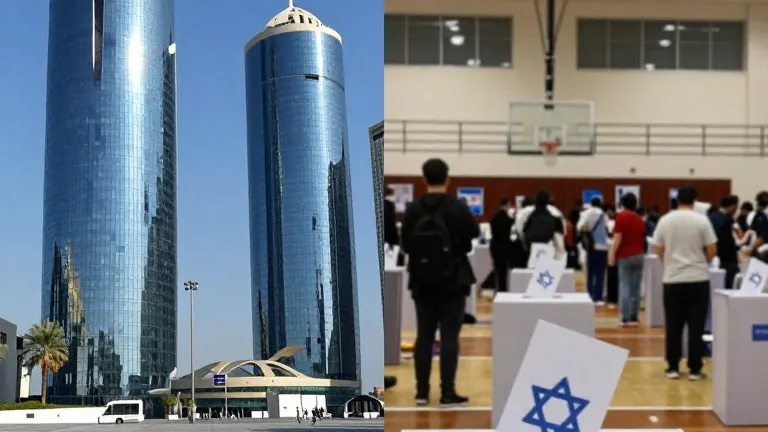
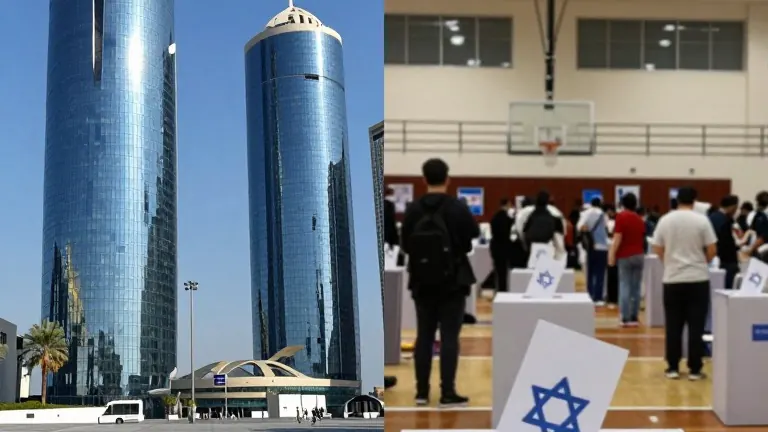
Prime Minister Benjamin Netanyahu is challenging the results of last month's election, arguing that a foreign interference scheme altered the outcome. His team points to Qatari funds as a potential driver of Arab voter turnout, a claim that has placed the Gulf emirate at the center of a domestic political fight.
Qatar’s Foreign Ministry spokesman, Majed al-Ansari, pushed back against these allegations on October 29. In a post on X, he wrote that Qatar “categorically deny[s]” any interference in the Israeli election or funding of activities intended to change the result. Al-Ansari accused specific Israeli politicians and their media contacts of launching a disinformation campaign to drag Qatar into local political disputes.
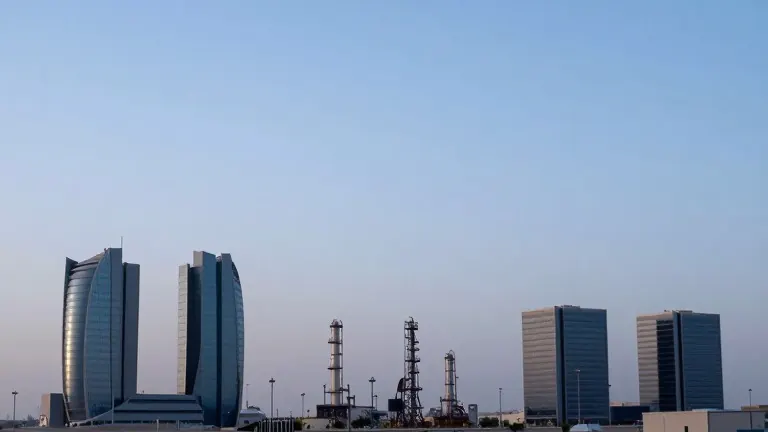
The accusations against Doha remain unsubstantiated, yet they have intensified public debate over Israel's relationship with the energy-rich state. Both sides of the political divide have sought to use Qatar as a wedge issue. Netanyahu’s allies emphasize the role of Qatari money, while opposition figures focus on the “Qatargate” affair, which involves suspected paid agents working for Doha inside the Prime Minister’s office.
Al-Ansari responded to the criticism by suggesting the claims were absurd. “They accuse Qatar of buying off Benjamin Netanyahu, the Israeli political left and now, in this latest campaign, the Arab vote,” he wrote. “If these claims were to be believed, Qatar would apparently own all of Israel.”
Israeli grievances against Qatar are rooted in decades of complex interactions. Since 2012, Doha has hosted Hamas political leaders who fled Damascus, a move initially made at Washington’s urging to maintain a communication channel. Israel has also banned the Qatari-funded media network Al Jazeera, citing its role in incitement and its staff ties to Hamas.
Qatar’s financial reach has drawn scrutiny beyond the Middle East. In 2025, American universities reported over $1.1 billion in gifts and contracts from Qatar, the highest amount from any single country. Separately, French investigators have examined payments to academics and lawmakers between 2020 and 2023, while Belgian police seized approximately 1.5 million euros in a 2022 cash-for-influence scandal linked to the European Parliament.
The diplomatic relationship is characterized by friction and necessity. In September 2025, Netanyahu ordered a strike on a residential compound in Doha that housed Hamas leaders, a move made during active ceasefire talks. Three weeks later, Netanyahu apologized to Qatari Prime Minister Mohammed al-Thani in the Oval Office, and the two leaders were seen shaking hands in Egypt after Hamas approved a ceasefire deal. President Trump subsequently issued an executive order to bolster US protection for the emirate.
The election dispute has sharpened the political stakes. Gadi Eisenkot, who leads the Yashar party and has been tasked with forming a government, called Qatari involvement an “unacceptable and gravely serious matter.” Naftali Bennett, whose B’Yachad party won 12 seats in the incoming 26th Knesset, described Qatar as “more dangerous” to Israel than Iran. Bennett pledged to declare the emirate an enemy state if his party joins the governing coalition, a position supported by opposition leader Yair Lapid.