Kremlin watches U.S. election shift
Moscow expects President Trump to continue Ukraine peace talks despite Democrats taking control of Congress in January.
By Leah Thompson ·
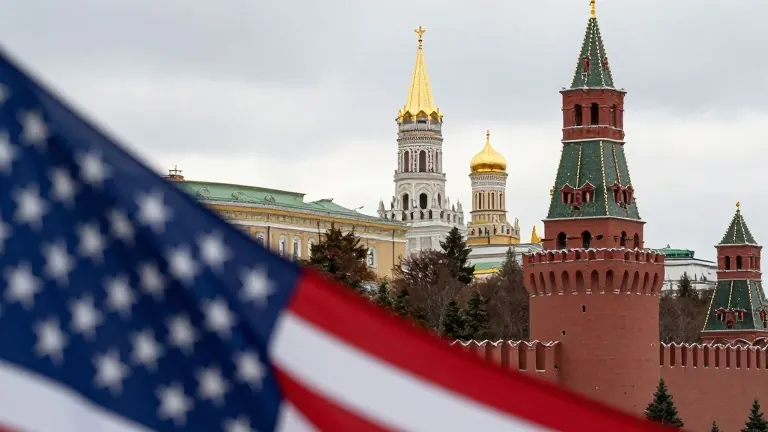
Russian officials expect President Donald Trump to maintain his current approach to the war in Ukraine even as Democrats take control of the U.S. Congress in January. Kremlin spokesperson Dmitry Peskov stated that the shift in power in Washington is an internal matter for the United States. He expressed hope that the groundwork laid for peace efforts will continue.
The Kremlin has monitored the U.S. midterm elections closely. Some Russian observers predict the new congressional leadership will increase pressure on the White House. This could lead to stronger support for Ukraine and stricter sanctions on Moscow. However, the Kremlin appears confident that its negotiations will proceed as planned.
Recent U.S. actions have leaned toward Russian interests. Last month, the Trump administration struck a diesel fuel import deal with Russia. This move reversed years of U.S. pressure on the Kremlin. Ukraine and its European allies expressed dismay at the agreement. Trump also paused sweeping new sanctions on the Russian economy, citing the national interest. Lawmakers from both parties criticized the pause as a benefit to Russian President Vladimir Putin.
The diesel deal faces potential hurdles. U.S. federal and state officials warned that handling shipments could trigger legal consequences. Two tankers bound for the United States changed course this week. The Kremlin downplayed the development, stating that deliveries will continue. Additionally, Ukraine reported a temporary reduction in Starshield satellite internet service. This system supports Ukraine's drone operations. Trump denied involvement in the slowdown, but the move was widely viewed as an effort to pressure Kyiv.
Ukraine urgently needs Patriot interceptor missiles to defend against Russian ballistic attacks. Ukrainian President Volodymyr Zelenskyy has repeatedly requested faster deliveries from Washington. U.S. stockpiles were depleted by the Iran war. The administration approved a $2.1 billion sale of interceptors on Oct. 30 after Kyiv accused the Pentagon of delays.
Trump met with Russian envoy Kirill Dmitriev at the White House on Thursday. Dmitriev attended a ceremony recognizing a humanitarian truce around the occupied city of Oleshky. This ceasefire was brokered with the help of First Lady Melania Trump. Peskov praised the first lady's humanitarian efforts. Trump did not meet with Ukrainian officials present at the event. He hinted that a broader European security deal is in progress.
Dmitry Medvedev, a deputy head of Russia's Security Council, predicted Trump will avoid confrontations with Democrats. He suggested the president will be less inclined to press Ukraine now that the midterms are over. Former Putin speechwriter Abbas Gallyamov wrote that Putin missed a window of opportunity. He argued that a less cooperative Washington is now emerging.
Zelenskyy told German broadcaster ZDF on Wednesday that Democrats speak clearly about supporting Ukraine. He stated that his chances of receiving additional U.S. assistance may grow. However, some experts caution against expecting a dramatic policy shift. Jorn Fleck of the Atlantic Council noted that Democrats will struggle to limit Trump's foreign policy powers. He predicted Trump may accelerate deal-making to cement his legacy.
Russian Deputy Speaker Konstantin Kosachev argued that Kyiv and European allies are mistaken about the impact of the election. He said Trump will not be constrained by Congress. Instead, he will be more resolute without the pressure of upcoming elections. Kosachev stated that European capitals have sided with Trump's domestic adversaries. He concluded they are guaranteed a hard-line Trump for the next two years.