Rural Economy Hits Six-Month Low
The Rural Mainstreet Index shows economic activity declining for the fifth time in six months, reaching its lowest point since July.
By Leah Thompson ·
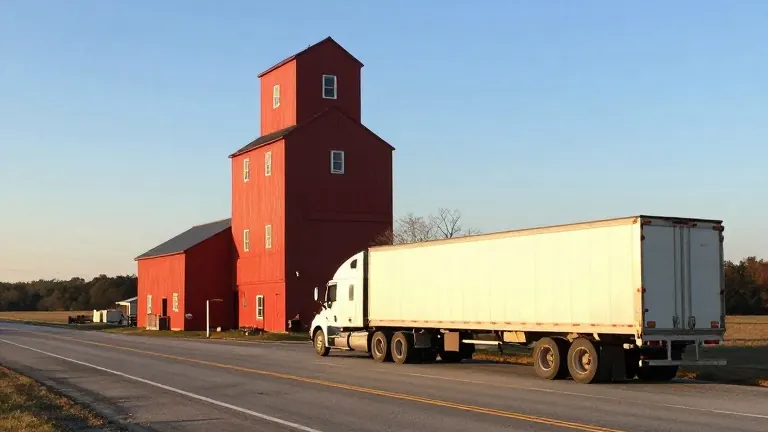
Rural economic activity has declined for the fifth time in six months, according to the latest Rural Mainstreet Index. The index reached its lowest reading since July, indicating continued pressure on farm country.
Dr. Ernie Goss, an economist at Creighton University, said farmers and ranchers face rising costs for fuel, fertilizer, and feed. He attributed these increases to trade tensions and the conflict involving Iran.
Goss stated that diesel prices have reached record levels. He noted that availability is also becoming an issue for some producers.
Goss said, “I spoke to a group of farmers and ranchers recently. Another issue they face is not just the price. It’s also availability.”
Despite pressure on farm income, agricultural land values and cash rents are holding up relatively well. Goss explained that demand for farmland remains active. Much of the bidding comes from local buyers and investors with ties to agriculture rather than international buyers.
Goss added, “We’re seeing some solid numbers in terms of the price of agricultural land. Farm rents, cash rents, are holding up pretty well.” He noted that surveyed bankers report more local investment activity from buyers connected to the agricultural economy.
Farm equipment sales have remained below growth neutral for 38 consecutive months. Goss said tariffs on materials used in equipment manufacturing are driving up costs for companies and farmers. He said the continued weakness in sales reflects the challenges producers face when deciding whether to invest in machinery.
Rural bank CEOs surveyed across the 10-state region remain concerned about the outlook over the next six months. Transportation costs are one of the issues they are watching most closely. Goss pointed to the closure of a Tyson plant in Lexington, Nebraska, as an example of how changes in the food-processing industry affect livestock producers. The closure means some ranchers must transport cattle farther, adding to their costs. Goss stated, “Mostly it has to do with those transportation costs.” He also noted that trade numbers are beginning to look better, with China returning as a buyer.
More Business · Nashville news · Business Watchdog · Report a business · Got a Story?