
New Soybean Disease Causes Confusion for Illinois Farmers
University of Illinois experts warn that Neocosmospora stem rot looks like common fungal infections, making diagnosis difficult without professional testing.
By Mia Bennett ·
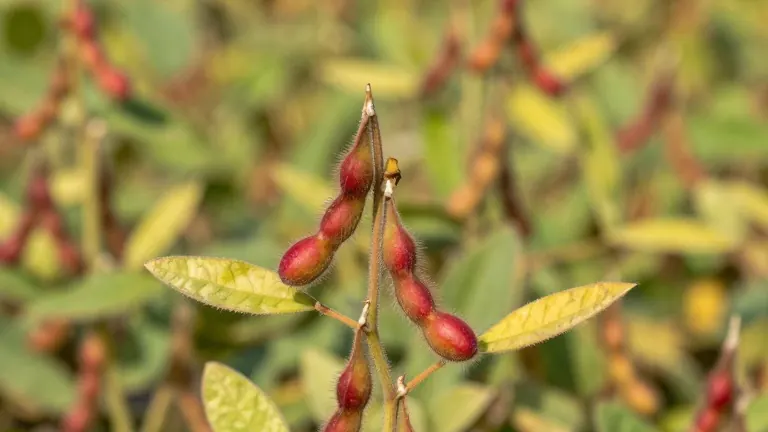
Soybean growers in Illinois are facing a new threat in the field with the emergence of Neocosmospora stem rot. The disease presents a diagnostic challenge because its physical signs mimic those of other established fungal infections. Farmers are being urged to seek professional help when they see unexpected changes in their crops.
Todd Gleason, an expert at the University of Illinois, notes that the visual symptoms overlap with several other conditions. Specifically, the disease shares characteristics with red crown rot, sudden death syndrome, and brown stem rot. This similarity makes it hard to identify the specific pathogen by looking at the plant alone.
Gleason describes the specific markers that distinguish this new rot. He points to yellowing or browning of the leaf tissue, which is a general sign of stress. However, the key identifier is the appearance of tiny, pear-shaped structures on the lower stem and crown of the soybean plant. These structures are red in color and are also associated with red crown rot.
Because of these overlapping signs, Gleason encourages farmers who suspect Neocosmospora stem rot to contact the University of Illinois Plant Clinic. The clinic can provide assistance in correctly identifying the disease. Accurate diagnosis is essential for determining the appropriate management strategy for the affected fields.
The warning comes from URBANA, Ill., where agricultural researchers are monitoring crop health. The focus on this specific rot reflects the need for precise identification in soybean production. Growers are advised to rely on expert analysis rather than visual assumptions when dealing with stem and crown issues.
More Business · Nashville news · Business Watchdog · Report a business · Got a Story?