Relic Veneration: A Quiet Return to Catholic Practice
Physician Michael R. Heinlein explains that honoring physical remains of saints is a familial act of gratitude, not worship, ahead of the November 1 feast.
By Fernando Rojas ·
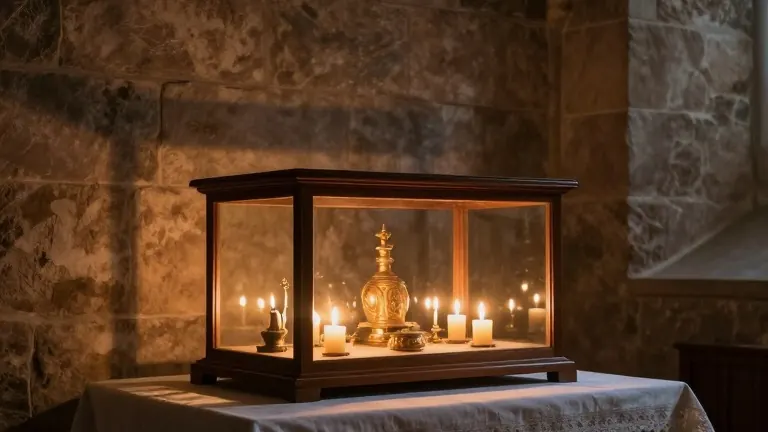
Catholicism has always included the veneration of relics, but the practice faded in recent decades. Now, physical remains of saints are traveling across the United States again, drawing large crowds of believers. This resurgence marks a shift in how many Catholics engage with their spiritual heritage.
Critics often misunderstand the ritual. They argue that Catholics worship the relic or the saint rather than God. However, proper Catholic theology reserves all worship for God alone. The veneration of relics is an act of honor, not adoration. It serves as a tangible connection to the holy lives of those who came before.
Michael R. Heinlein, author of “Glorifying Christ: The Life of Cardinal Francis E. George, O.M.I.,” suggests looking at the practice through a familial lens. He compares relics to family keepsakes. It is common for people to keep photographs, jewelry, or books belonging to deceased relatives. These items are treated with care and respect. They help preserve the memory of the person and the life they lived.
Heinlein notes that families often keep specific physical remnants. Parents frequently save a child’s first tooth or clippings from their first haircut. Societies build monuments and grave markers to honor notable individuals. These actions are driven by a natural desire to remember and respect loved ones. The same impulse applies to the Church, which views its members as a single family.
Saints are considered members of this spiritual family who achieved great holiness. Through baptism, they became part of the body of Christ. The Church honors their physical remains because humans are made in the image of God. This dignity persists after death. The Church requires proper disposal of remains, such as burial, to reflect this respect for the human person.
Venerating a relic is a way to express gratitude to God. It acknowledges the saint’s witness and faith. The physical object acts as a concrete reminder that heaven is accessible. It challenges believers to apply the same qualities that made the saint holy to their own lives. The practice is about recalling their lives and praying for grace.
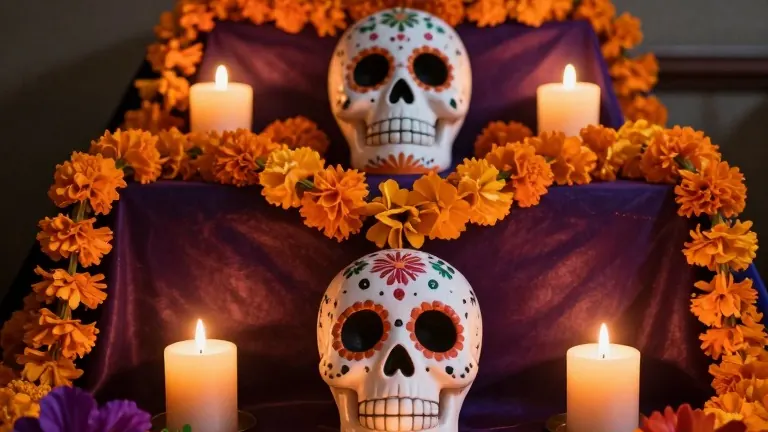
This context becomes relevant ahead of All Saints Day, a major feast day in the Church observed on November 1. The holiday provides an occasion to reflect on the communion of saints. It is a time to honor the dead and the living members of the faith. The practice connects the present community to its historical roots.
Heinlein is a promised member of the Association of Pauline Cooperators. His perspective aligns with a growing interest in tangible expressions of faith. The movement of relics across the country continues to attract attention. This trend suggests a renewed desire among Catholics to engage with the physical aspects of their tradition.
Source: The Catholic Spirit