Funeral Dress Codes Face Scrutiny
Community members debate whether traditional attire expectations still hold weight at Jewish gatherings in New Jersey.
By Mia Bennett ·
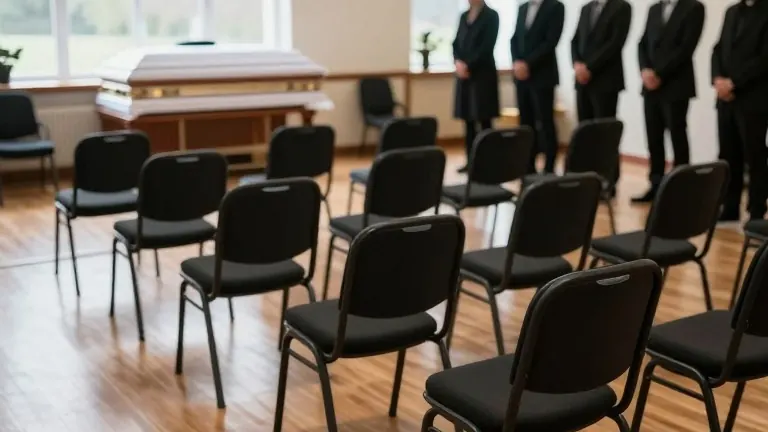
A growing number of men in New Jewish communities are attending funerals in jeans and T-shirts, a shift that has prompted calls for a return to formal dress. The change has unsettled long-time observers who view the casual attire as a departure from established norms of respect for the deceased.
For decades, the standard expectation for men at weddings, bar mitzvahs, and funerals was a shirt, tie, and jacket. Shabbat services followed the same rule. That convention has eroded. Many attendees now arrive in short-sleeved shirts and slacks without a tie, or in casual wear entirely. Funeral homes in the area continue to list formal wear as appropriate on their websites, advising men to dress in a shirt, tie, and jacket, and cautioning women against dressing as if they are heading to the beach.
The shift extends beyond funerals to the observance of Shabbat. Many families maintain formal attire during morning services but switch to extreme casual clothing for the afternoon. Children, in particular, are often dressed in baseball shirts, T-shirts, and sweatpants. Parents describe sending children to parks with scooters, helmets, and basketballs once the synagogue services conclude, effectively ending the formal atmosphere of the day before the traditional conclusion at Havdalah.
Community members argue that the current approach undermines the spirit of Shabbat. One perspective holds that parents should teach children that the holiday lasts from Friday afternoon through Saturday evening. Critics point out that sending children outside with sports equipment is a poor substitute for family time during the weekend. They suggest that parents use the afternoon to engage with their children rather than relying on outdoor play as a distraction.
The debate centers on the concept of kavod, or respect, for the deceased. Attending a funeral in casual clothing is seen by some as a lack of decorum. The issue is compounded by behavior such as attendees checking their phones during services. Observers argue that the few minutes spent at a funeral should be dedicated to remembering the pain of the bereaved, a task that requires a level of attention incompatible with casual dress and digital distraction.
Maurice Lamm’s book, The Jewish Way in Death and Dying, a common text in shiva houses, does not specifically address funeral attire. However, the consensus among funeral directors and traditionalists remains consistent. The expectation is that mourners and attendees dress formally to signal respect. The current trend of casual wear challenges this long-standing practice, forcing a reevaluation of how communities honor the dead and observe the Sabbath.