
UK Budget Offers Modest Relief as Household Debt Hits Record Highs
Chancellor John Healey presents a restrained fiscal plan that includes a new billion-pound housing fund and energy bill support, while average arrears for debt advice clients have surged by over £1,500 in three years.
By Fernando Rojas ·
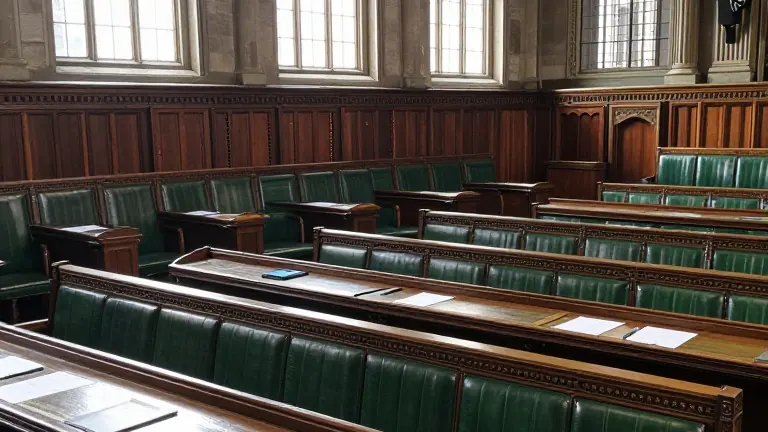
Chancellor John Healey will present the first budget of the Burnham government in the House of Commons on Tuesday at 12:30 pm.
The Treasury has described the announcement as low-key, reflecting a strategy focused on targeted household relief rather than sweeping structural changes. Healey is expected to announce a further £1 billion in funding for council housebuilding, continuing a commitment to the largest public housing program since the postwar era. The budget also includes plans to support lower-income families with energy bills this winter and to introduce market reforms aimed at reducing long-term costs for all households. A new version of the Help to Buy scheme, named Your First Home, will be detailed to assist first-time buyers. Additionally, the government will continue freezing fuel duty, a tax on petrol and diesel introduced in 2022.
These measures come as the average arrears debt for clients of StepChange, the UK’s largest debt advice charity, rose from £2,833 to £4,345 between 2022 and 2025. A StepChange spokesperson noted that in the late 2000s, consumers primarily sought help with credit card debt, but now one in two visitors carries energy debt. The Resolution Foundation reports that more than 900,000 private rented households on universal credit face a monthly shortfall between their rent and housing allowance, averaging £158 for a family renting a two-bedroom home. The Treasury estimates that removing import tariffs on goods such as baked beans and chocolate will save the average household £21 on its annual food shopping.
Healey has rejected calls to raise capital gains tax or lower the mansion tax, citing the need to adhere to Labour’s fiscal rules. The ongoing conflict with Iran has increased borrowing costs, further limiting spending capacity. Mathew Lawrence, director of the thinktank Common Wealth, stated that tax decisions have limited the government’s scope for action on energy bills. Jonny Marshall, an economist at the Resolution Foundation, suggested that the fuel duty freeze is a blunt instrument that primarily benefits higher-income drivers.
The budget aims to provide breathing space for households while addressing structural issues in energy and housing. Kiran Stacey, policy editor at The Guardian, described the package as far smaller than previous budgets, noting it is not intended to end decades of neoliberal policy. The government will also abolish a rule that places unpaid carers in debt, a policy previously criticized by the press. Details on energy market reforms are expected to be announced alongside the immediate relief measures, with officials working on more radical changes for the medium term.
Source: The Guardian
More Business · Business Watchdog · Report a business · Got a Story?