Trump, Xi, and Putin to Hold Historic Nuclear Talks in Shenzhen
The leaders of the US, China, and Russia are set to meet for the first time in a trilateral summit focused on nuclear arms and global tensions.
By News Media House Staff ·
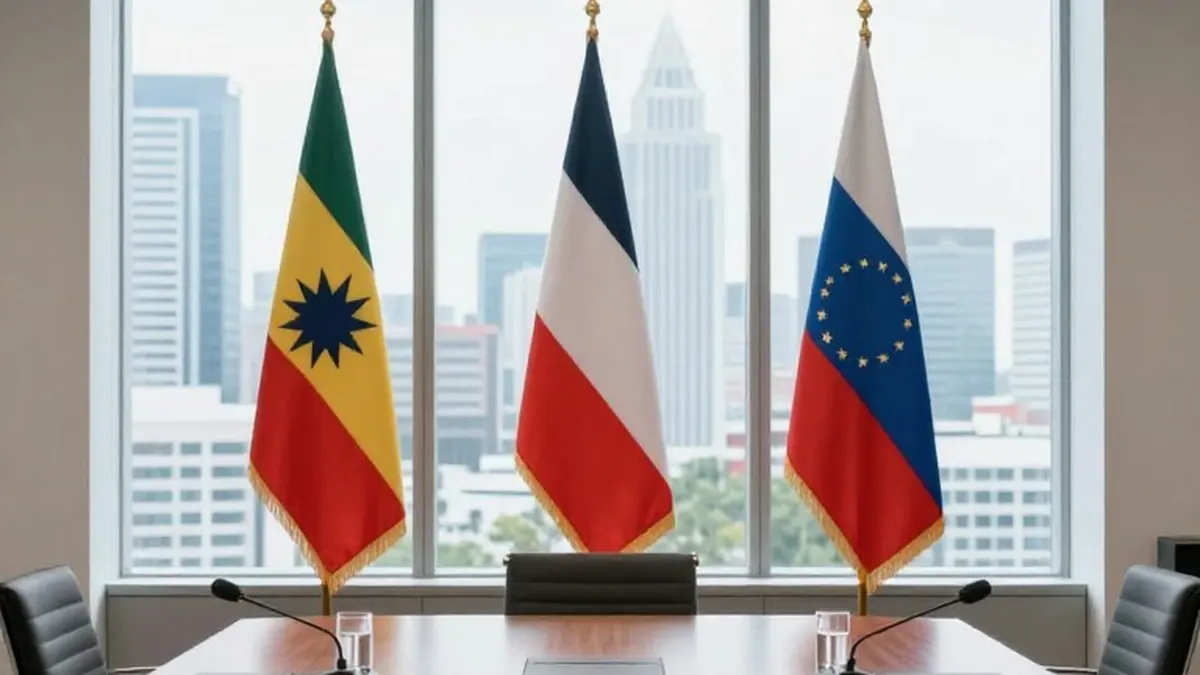
The White House confirmed on Friday that the leaders of the United States, China, and Russia will convene for a joint meeting on Thursday. This unprecedented gathering will take place on the sidelines of the Asia-Pacific Economic Cooperation summit in Shenzhen, a major technology hub in China. It marks the first time that the heads of the world’s three largest nuclear powers will sit together in a formal trilateral session.
Analysts suggest that while the meeting is historically significant, expectations for major diplomatic breakthroughs remain low. Many observers describe the event as being more symbolic than substantive. The timing is complex, occurring during a period of mixed relations among the three nations. US President Donald Trump has recently warmed to Chinese President Xi Jinping following a truce in their trade war, despite ongoing differences regarding the US war with Iran. Similarly, Trump has worked to strengthen ties with Russian President Vladimir Putin, even as Moscow continues its war in Ukraine and deepens its partnership with Iran.
According to a senior US official who spoke to reporters, the primary agenda item will be the US conflict with Iran. The official stated that Trump intends to discuss this issue with both Xi and Putin. However, the discussion on the war in Ukraine is expected to be avoided during these talks. The trilateral meeting is framed as the beginning of a potentially productive conversation on nuclear disarmament, though no specific agreements are anticipated to be announced immediately.
The nuclear arms discussion is particularly challenging because the last major treaty between the US and Russia, known as New START, expired in February. This expiration removed long-standing caps on their arsenals for the first time in over fifty years. Trump rejected a Russian proposal to extend the old treaty and instead called for a new, modernized deal that includes China. However, Beijing’s nuclear arsenal is significantly smaller than those of Washington and Moscow. Pentagon estimates place China’s stockpile at over 600 warheads, compared to more than 5,000 each for the US and Russia. Consequently, China has historically shown less interest in such pacts, though US officials view this meeting as an opportunity for Beijing to take a more active role in global security matters.
For the Kremlin, the summit offers a valuable chance to assert its status as a superpower equal to the US and China. Edgard Kagan, a former US ambassador and current fellow at the Center for Strategic and International Studies, noted that the meeting signals a desire to coordinate on major issues like Ukraine, a move that often displeases Kyiv and European allies. Ukrainian President Volodymyr Zelenskyy has expressed concern that the leaders might discuss a potential deal regarding Ukraine without consulting Kyiv directly.
The meeting also carries implications for China’s diplomatic stance at the APEC summit. The event brings 21 economies to Shenzhen, allowing China to showcase its rapid transformation from a fishing village to a global economic hub. However, some experts argue that a trilateral meeting between the US, China, and Russia could complicate China’s narrative. Hoo Tiang Boon, a professor at Nanyang Technological University, suggested that such a gathering might run counter to China’s public support for multilateralism and its portrayal as a defender of free trade.
The three leaders have a history of bilateral interactions. Putin and Xi have met more than 40 times since 2013, often referring to each other as dear friends. Trump and Putin have met seven times, with their most recent encounter in Alaska in August 2025. Xi and Trump have held face-to-face talks on eight occasions, including a state visit to Washington in September. These personal relationships are set against a backdrop of deepening economic and military ties, particularly between Moscow and Beijing.
China has become Russia’s top trading partner, a relationship that has solidified since 2022. As Western nations sought to isolate Russia economically, China increased its purchases of Russian energy and became a key supplier of high-tech components for the Russian defense industry. In return, Moscow has repeatedly voiced support for Beijing’s positions on Taiwan. Recently, Trump struck a deal with Russia to waive sanctions on diesel fuel, citing high energy prices caused by Ukrainian attacks on refineries, although analysts attribute the price surge largely to the Iran war.
Comparisons have been drawn between this upcoming summit and the 1945 Yalta Conference, where leaders of the US, Britain, and the Soviet Union divided post-war Europe. However, Kremlin spokesman Dmitry Peskov dismissed these parallels. He emphasized that while the meeting is extremely significant, any agreements reached in Shenzhen should be based on mutual benefit and respect, rather than imposing a specific vision of global order on other nations.
Originally published by News Media House