Amnesty International Calls for Release of Detained Activists in Kashmir
The rights group has urged the new administration in Pakistan-administered Kashmir to repeal the ban on a grassroots coalition and free hundreds of activists detained under anti-terrorism laws.
By News Media House Staff ·
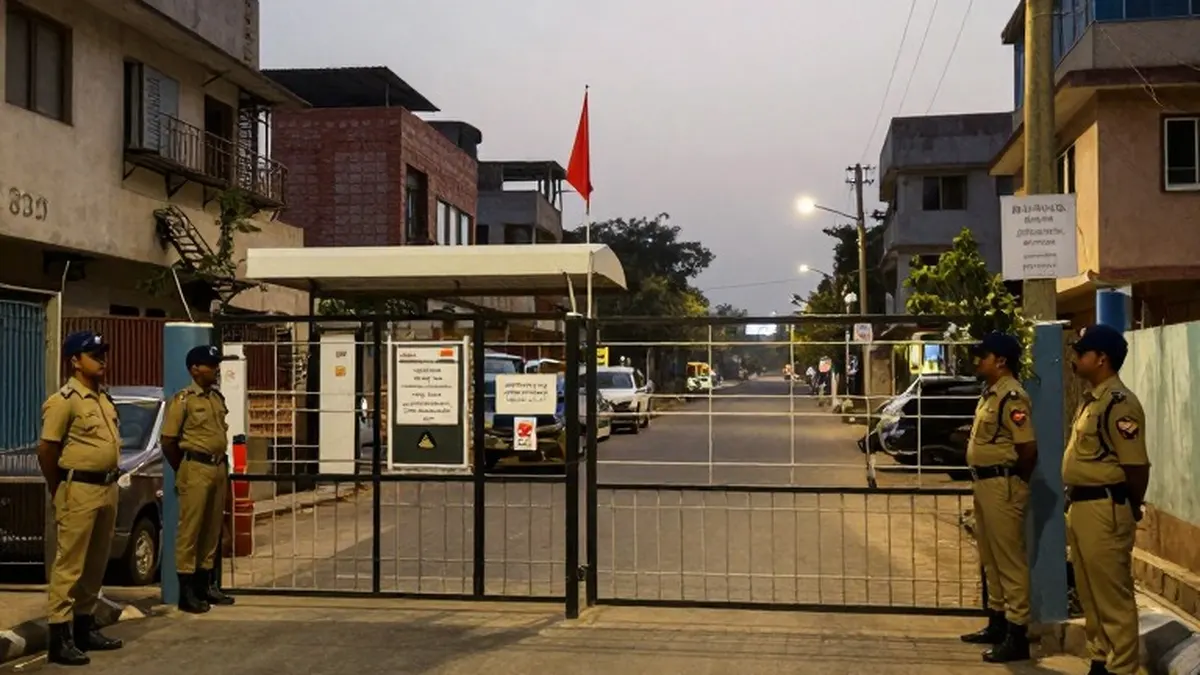
Amnesty International has issued a formal appeal to the newly formed government in Pakistan-administered Kashmir, demanding the release of hundreds of activists who were arbitrarily detained while protesting against the rising cost of living. The organization also called for an end to the current crackdown on civic freedoms.
In a letter addressed to Prime Minister Syed Iftikhar Ali Gilani, the rights group requested that the new administration take steps to improve the human rights situation. A key demand in the correspondence was the repeal of the ban on the Joint Awami Action Committee, known as JAAC.
Isabelle Lassee, deputy regional director at Amnesty’s South Asia Regional Office, noted that authorities have taken swift and systematic steps since June to repress civic freedoms in the region. She urged the government and relevant authorities to ensure that the human rights of all residents are upheld.
Lassee argued that the arbitrary banning of JAAC violates fundamental rights. The group was proscribed under the first schedule of the Azad Jammu and Kashmir Anti-Terrorism Act of 2014, which she stated infringes upon the right to association, freedom of expression, and peaceful assembly.
Founded in 2023, JAAC is a coalition comprising traders, lawyers, students, civil society activists, and local political figures. The group has campaigned against high electricity bills, rising flour prices, heavy taxation, and poor public services that affect residents of the region.
Earlier this year, protests against economic conditions turned violent, prompting a harsh government response. Authorities banned JAAC under anti-terrorism laws, leading to the placement of hundreds of activists, protesters, and journalists on watchlists. Many were arrested over alleged links to the group or their coverage of demonstrations.
The ban has sparked widespread protests among Kashmiri diaspora communities in cities across Europe and North America. The unrest has presented a major challenge for the region's newly installed government as it seeks to stabilize the area.
Gilani, a member of the Pakistan Muslim League-Nawaz, became prime minister in August after being nominated by the party's central leadership. His appointment occurred amid reported divisions within the party's regional ranks and followed months of political unrest.
Demonstrators had raised grievances over governance, economic conditions, and their treatment by authorities. The crackdown has drawn international scrutiny, with UN experts and human rights organizations raising concerns about restrictions on civil liberties and the use of anti-terrorism legislation against activists.
Originally published by News Media House