
Trucking Group Fights New Insurance Rules Before Congress Meets
OOIDA warns that raising minimum liability coverage to $3 million could force one-truck operators out of the industry.
By Leah Thompson ·
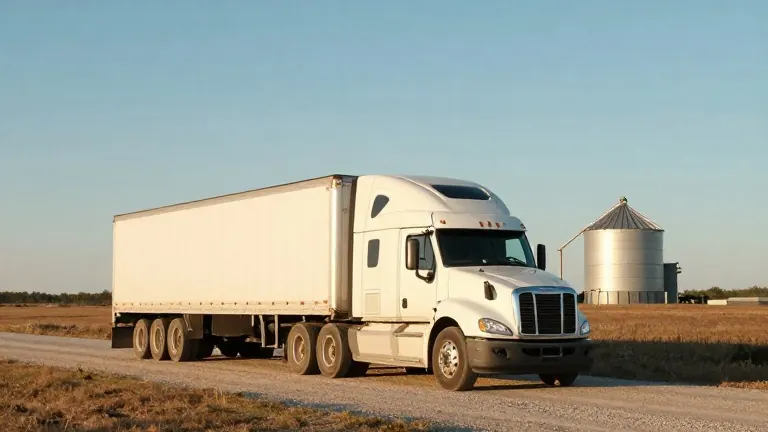
Independent truck drivers and small fleets in Davidson County face a new financial threat as a new Congress prepares to convene in Washington, D.C. The Owner-Operator Independent Drivers Association (OOIDA) has identified proposed changes to liability insurance requirements as a primary concern for the 2026 legislative session.
The association argues that current rules place an unfair burden on smaller carriers compared to major fleets. Lewie Pugh, who represents OOIDA, stated that the industry is currently absorbing the costs of rising diesel prices and higher insurance premiums. He noted that these expenses are compounding, making it difficult for small businesses to remain profitable on the road.
Small operators lack the purchasing power of larger competitors. Pugh explained that more than 96 percent of trucking businesses operate with 20 trucks or fewer. Fifty-two percent of these businesses are single-truck owner-operators. These drivers cannot negotiate fuel prices in the same way large fleets can, and they often cannot pass fuel surcharges onto their customers.
"They don’t have the volume or the buying power when it comes to buying fuel like the big boys do to save money," Pugh said. "They also sometimes don’t have the leverage to put fuel surcharges on." He described the rising costs as a direct hit to the wallets of independent drivers.
The central dispute involves the minimum amount of liability insurance trucking companies must carry. Current regulations require a minimum of $750,000 in coverage, with many carriers holding $1 million policies. Pugh said some proposals would raise this minimum to between $2 million and $3 million. Supporters of the change argue that current limits have not kept pace with inflation.
Pugh disagrees with that assessment. He cited research indicating that 99.4 percent of trucking accidents involve damages below the current $750,000 threshold. He argued that forcing carriers to buy more coverage would increase costs without improving highway safety. The average trucker currently pays about $17,000 per vehicle each year for insurance.
If premiums double or triple, smaller businesses may struggle to afford coverage. Pugh warned that higher costs could force experienced drivers out of the industry. This would reduce the funds available for equipment maintenance and other business expenses. "Every time you take more money away from a small-business trucker, that’s money they don’t have to spend on their family, to buy goods, to fix things," he said.
OOIDA plans to meet with incoming members of Congress to explain these challenges. Pugh, who drove a truck for 25 years before entering lobbying, said he will introduce the group to lawmakers who may not have prior experience with the industry. He emphasized the need to discuss safety, parking, and restroom access in the new surface transportation bill expected next year.
"Most people who come to Congress have no idea about trucking," Pugh said. "We’re going to be getting in front of new lawmakers, people we’ve never met, introducing them to the Owner-Operator Independent Drivers Association, talking about safety and highway safety, what’s good for trucking and what’s not good for trucking."
More Business · Nashville news · Business Watchdog · Report a business · Got a Story?