Texas to finalize data center cost rules in December
Regulators are set to release new financial security requirements for large electric users, aiming to prevent residential customers from absorbing the costs of grid expansion for AI facilities.
By Gavin Wilson ·
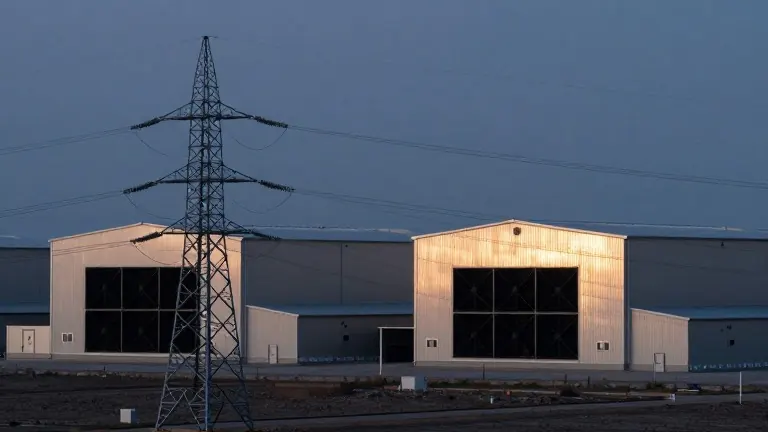
The rapid expansion of artificial intelligence infrastructure is straining the Texas power grid, forcing regulators to define who pays for the necessary electrical upgrades. The Public Utility Commission of Texas (PUC) is scheduled to release final rules on these costs in December.
The upcoming regulations address a core concern raised by consumer advocates: whether residential ratepayers will ultimately subsidize the infrastructure demands of data centers. State law, specifically SB 6 passed in 2025, mandates that large electric customers pay grid connection costs upfront and post financial security. The PUC is now detailing how that security will be managed.
If a data center exits the market before fulfilling its financial obligations, the proposed rules dictate that the forfeited security funds should offset costs for other electric customers. Beth Garza, who served as ERCOT's Independent Market Monitor for five years, noted that the financial security concept is currently written into the proposed rule. She emphasized that while details are being finalized, a mechanism exists to protect existing and small consumers.
PUC Chairman Thomas Gleeson stated at a legislative committee hearing earlier this year that the goal is to show ratepayers they are protected, not just to ensure protection in theory. He described the forthcoming rules as the method to accomplish that transparency. The commission declined an interview request for this report, citing the pending nature of the rules.
Georgia offers a comparative model for Texas, though the two states operate under different market structures. In Georgia, the Public Service Commission froze electric rates for three years and required data centers to sign long-term guarantees for grid expansion. Chairman Jason Shaw of the Georgia PSC argued these measures prevent residential customers from bearing the risk if the data center market shifts. He stated that if the AI sector fails, the costs would fall on the data centers and utility shareholders, not ratepayers.
Critics in Georgia challenge the effectiveness of these measures. Patty Durand, a former PSC candidate and leader of Georgians for Affordable Energy, argues the rate freeze locks in previously raised prices and delays public scrutiny of spending for three years. She and other watchdogs worry that non-public contracts may contain exit clauses that allow data centers to leave before their long-term guarantees expire. Sherrier, an attorney with the Southern Environmental Law Center, expressed concern about the lack of public access to these agreements, noting that advocates must often rely on public descriptions rather than evaluating the specific legal language.
Georgia Power told NBC 5 Investigates it expects to save customers an average of $180 a year as data centers cover more costs. The company stated it shares contract information with state regulators to ensure compliance. In Texas, the issue is expected to be a priority when lawmakers meet in January, with governor-elect Gina Hinojosa having pledged new consumer protection rules regarding data center costs.
More Business · Business Watchdog · Report a business · Got a Story?