
Louisiana reports 10 amoeba infections since 2024, including one death
State health officials advise contact lens wearers to remove lenses before showering or swimming to avoid eye infections.
By Leah Thompson ·
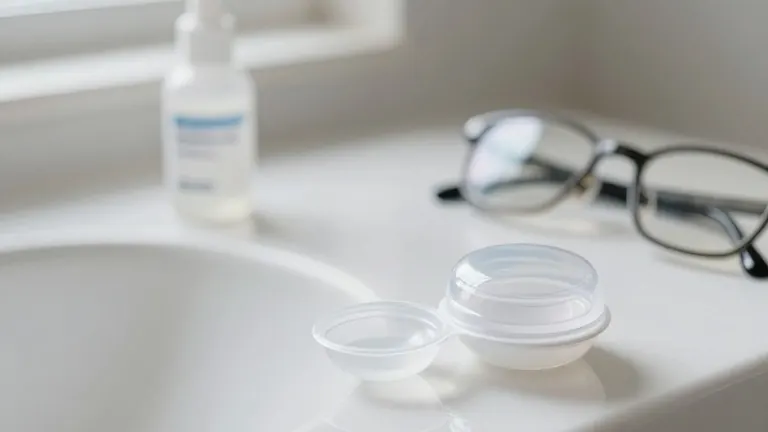
Louisiana health officials reported that one person died from an Acanthamoeba brain infection this year. The state now counts 10 confirmed cases of the rare organism since 2024.
Theresa Sokol, the state epidemiologist for the Louisiana Department of Health, confirmed the numbers on November 8. She explained that eight of the ten cases were eye infections. Of those eight patients, seven wore contact lenses. Five of the eye patients suffered permanent vision loss. The remaining two cases involved a sinus infection and a fatal brain infection. Both of those patients had underlying medical conditions. The department is not releasing names or specific locations to protect patient privacy.
Sokol described Acanthamoeba as single-celled organisms found in soil, dust, fresh water, and salt water. They can also live in swimming pools, drinking water systems, and air conditioning units. Most people are exposed to these amoebas during their lives without getting sick. However, a small number of people develop serious infections in their sinuses, brain, skin, or eyes.
The state epidemiologist said contact lens use is the primary risk factor for eye infections. Lenses can absorb water from showers, pools, or hot tubs. The amoebas then get trapped beneath the lens against the cornea. Sokol advised that wearers should wash their hands with soap and water and dry them thoroughly before touching lenses. They should remove lenses before showering, swimming, or using hot tubs. Lenses must be cleaned with proper solution and stored correctly every time.
Symptoms of an eye infection include pain, redness, blurred vision, light sensitivity, and excessive watering. These signs can appear days or weeks after exposure. Sokol noted that the symptoms look similar to other common eye problems. She recommended seeing a healthcare provider if these signs appear. Early treatment increases the chance of a positive outcome. Prescription treatments are available for these infections.
People with weakened immune systems face a higher risk for sinus and brain infections. Sokol listed HIV, AIDS, organ transplant history, cancer, and diabetes as examples of conditions that weaken the immune system. She warned against using tap water for nasal irrigation. She recommended using sterile, distilled, or boiled and cooled water for these devices. People who use CPAP machines should follow manufacturer instructions for water safety. Showering with tap water remains safe, as infection is not linked to swallowing the water.
Diagnosis can be difficult, especially for brain infections. A brain biopsy may be required for testing. Eye infections can be tested using fluid from the eye. Sokol stated that while brain infections are often hard to diagnose, several patients have been successfully treated in the past. Skin and sinus infections are usually treatable but can spread to other parts of the body if not managed properly. Reference laboratories can identify the amoeba's genetic material to confirm the diagnosis.
More News · Nashville news · Report a business · Got a Story?