300-Year-Old Synagogue Exhibit Cancelled in Netherlands Over Pressure
The Amersfoort museum director cited changing social climates and volunteer concerns, prompting a swift intervention from the city mayor and criticism from Dutch Jewish leaders.
By Leah Thompson ·
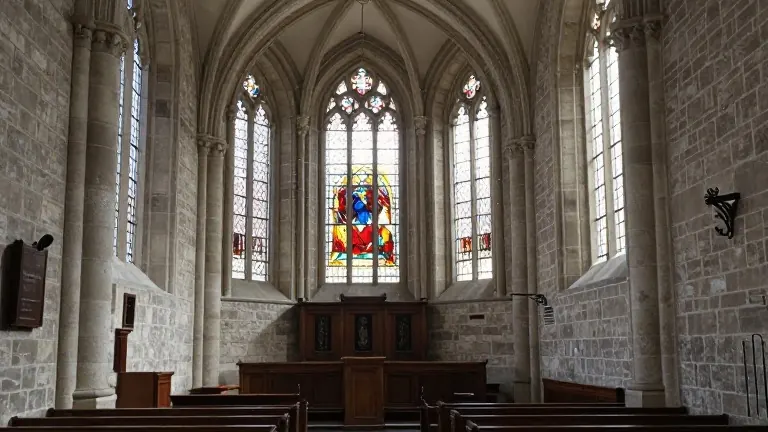
Paul Baltus, director of the cultural organization Amersfoort in C, announced on Nov. 4 the cancellation of a planned exhibition honoring the Amersfoort Synagogue. The synagogue, which opened in 1727, is the oldest Ashkenazi synagogue in Western Europe still in use. The event was set to celebrate the building’s 300th anniversary in early 2027.
Baltus attributed the decision to external pressure, referencing a shift in the social climate since the Oct. 7 Hamas attack. He stated that the public debate regarding the Middle East has become heated and often lacks nuance. Although the museum began planning the exhibit five years ago, Baltus described the current tension as difficult to manage for a small organization. He noted that hiring security and installing cameras would not fully protect volunteers from public reactions.
Mayor Lucas Bolsius told the City Council on Nov. 4 that the cancellation caused considerable pain within the local Jewish community. He said the decision reinforced feelings that Jewish members were not welcome in the city. The municipality began immediate discussions with the museum and other stakeholders to ensure the exhibition could proceed as scheduled.
On Nov. 6, Bolsius and Baltus announced they would collaborate to find a solution. The mayor reported that help has been offered by the central government and other national organizations to address organizational matters. Baltus said this support has alleviated some of his initial concerns. He confirmed they would explore possibilities with an open mind in consultation with the Jewish community.
Hans Weijel, vice chairman of the Centraal Joods Overleg, which represents the Netherlands’ 40,000 Jews, criticized the initial decision. He described it as proof of antisemitism, arguing that the conflict is in the Middle East, not in Amersfoort. Weijel called the museum director a coward for being afraid to host the event and urged other authorities to use the mayor’s intervention as an example.
Emile Schrijver, director-general of Amsterdam’s Jewish Cultural Quarter, noted that the museum made its decision without consulting the Jewish community or the organizations involved in the exhibit. He rejected the security concerns cited by Baltus, pointing out that Jewish institutions in Amsterdam regularly host events despite pro-Palestinian demonstrations. Schrijver stated that staff are trained to handle these situations daily.
Schrijver warned that treating Jewish cultural events as security hazards pushes Jewish presence to the fringes of society. He argued that cultural institutions must separate their views on Israeli government policy from the local history of Jewish communities. The museum has offered to contribute its expertise and collection to an exhibition held within the synagogue itself.
Baltus also proposed incorporating the synagogue’s history into the museum’s permanent exhibition on Amersfoort. Jewish leaders welcomed the mayor’s intervention but maintained that the controversy illustrates a pattern of hostility toward Jewish events in the Netherlands. The city continues to work with the museum to determine if the original 2027 opening date can be met.