Ukraine faces difficult compromise in Abu Dhabi talks
Amid intensifying Russian strikes, Ukraine is pushing toward a year-end settlement despite a Western shift toward pragmatic diplomacy and the inclusion of European voices.
By News Media House Staff ·
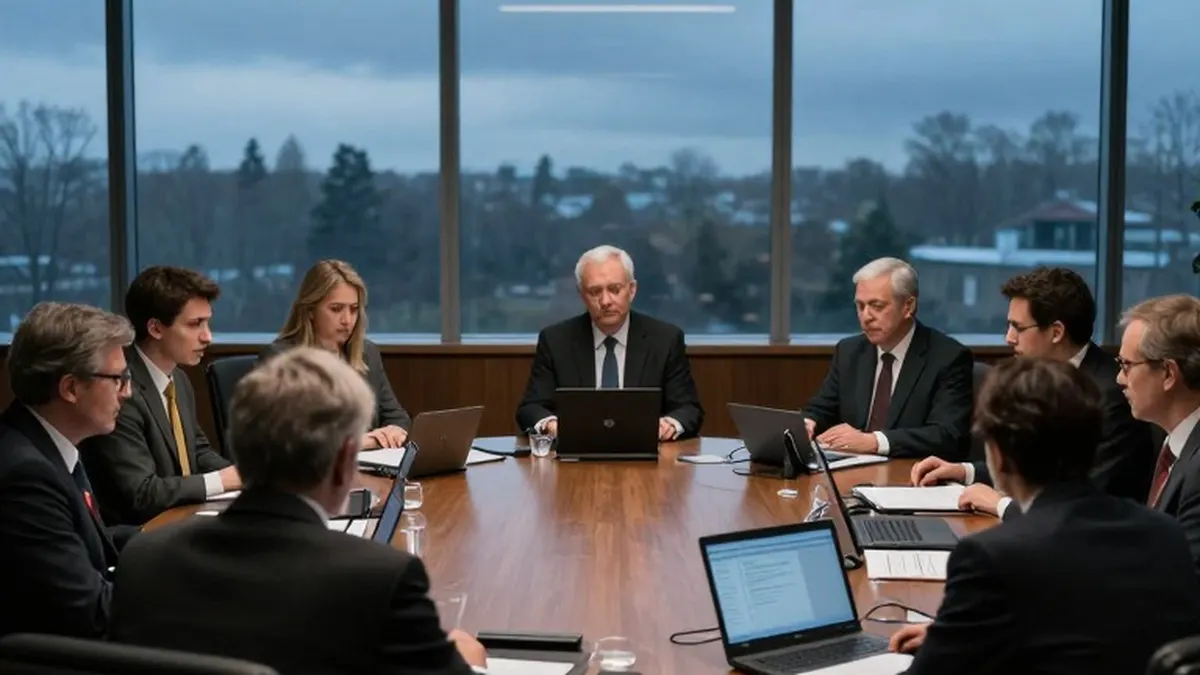
Trilateral negotiations between Ukraine, Russia, and the United States held in Abu Dhabi this week have outlined a potential path toward ending the conflict, even if a swift breakthrough remains elusive. The discussions highlight the deep political and emotional divide between the parties. President Volodymyr Zelenskyy recently expressed frustration in Copenhagen, lamenting that his counterpart, Vladimir Putin, was still alive. However, Ukraine’s harsh strategic reality is forcing the country toward a difficult compromise with its rival.
Kyiv entered these talks during a particularly vulnerable period. Devastating Russian air strikes have damaged key industries and crippled essential infrastructure in major cities, leaving Ukraine with limited means to counter the attacks. David Arakhamia, a senior Ukrainian negotiator, described the process as one of the most difficult since 2022. He noted that the Russian delegation arrived with strict instructions, making it hard to soften the tone. This dynamic suggests that Moscow is negotiating from a position of perceived strength.
Moscow has expressed optimism about the results. Vladimir Medinsky, an aide to President Putin, stated that the talks brought the two nations closer to peace. Arakhamia also acknowledged momentum toward a solution before the end of the year. This optimism exists despite the Kremlin maintaining its long-standing position that Ukraine must become a neutral, demilitarized state that honors the rights of its Russian-speaking population.
The current situation contrasts sharply with the narrative dominant in the West for much of 2026. Western politicians and media previously argued that Ukraine had the upper hand, fueled by long-range strikes on Russian refineries and slow Russian advances on the ground. In September, Lithuanian President Gitanas Nauseda claimed that Russia had already lost the war in all but name. NATO Secretary-General Mark Rutte similarly noted that Russia was not performing well. Even US President Donald Trump appeared to accept this view during the July NATO summit in Ankara.
Russia responded to Ukraine’s surge, which was backed by European funds and US intelligence, with continuous air strikes. Moscow’s strategy aimed to inflict epic devastation on Ukraine, signaling that any damage to Russia would be met with overwhelming force. This pressure has brought the country close to its pain barrier. The coming winter promises a humanitarian crisis, as strikes on energy infrastructure have disrupted electricity and central heating. Millions of Ukrainians rely on central heating to make their homes livable, and the cost of temporary generators is becoming burdensome for Ukraine and its Western funders.
These dire conditions, rather than direct pressure from the US administration, have driven Ukraine to the negotiating table. Zelenskyy would likely have waited until spring if the pressure had not been so intense. The surge in Ukrainian operations failed to shift Moscow’s peace conditions, prompting a transformation in Western perceptions of the war. Two major signs of this shift directly affect the agenda in Abu Dhabi.
For the first time since the war began, a significant portion of the Western establishment is ready to discuss Europe’s post-war security architecture. US negotiator Jared Kushner first raised the topic, which caused some outrage but was later confirmed by Medinsky as a central issue. This discussion echoes the agenda Moscow proposed in December 2021, shortly before the full-scale invasion. For over four years, discussing this architecture with Moscow was a taboo in the West, but that stance is now changing.
According to Kushner, the territorial issue remains the hardest sticking point. Moscow insists that Ukrainian forces must withdraw from the remaining part of the Donetsk region. However, some analysts suggest this opposition might be a tactical move to gain maximum advantage on broader geopolitical issues. The Kremlin’s specific claims to cities like Sloviansk and Kramatorsk may be more about symbolic propaganda than strict military necessity.
European governments are also attempting to join the peace process, exposing a rift between hardliners and pragmatists. Pragmatists, including Finnish President Alexander Stubb and Norwegian Prime Minister Jonas Gahr Store, believe compromise is unavoidable. Store held a lengthy phone call with Putin on October 27 with discreet EU consent. Both the US and Ukraine have suggested that Europe should nominate a single envoy for the next round. US envoy Steve Witkoff said on November 12 that Putin agreed to allow European representatives to join, though Moscow has not officially confirmed this. Russian spokesman Dmitry Peskov linked the EU’s inclusion to the identity of its chosen envoy.
A notable shift in the dynamics was the appearance of NATO’s supreme commander in Europe, Alexus Grynkewich, at the talks. The Kremlin, which often views the war as a proxy conflict with NATO, hailed his participation. Even hardline governments are adjusting their positions. German Chancellor Friedrich Merz suggested he could speak with Putin at the next G20 summit, while UK Defence Secretary Wes Streeting called for opening communication channels with Russia. Figures like EU foreign policy chief Kaja Kallas and Danish Prime Minister Mette Frederiksen are finding themselves increasingly isolated. Zelenskyy, sounding bitter about the lack of Western support, continues the US-brokered process because the alternatives are limited.
Originally published by News Media House