
Portland Fuel Storage: Council mandates 20% capacity cut by 2036
City officials approved new rules limiting fuel tank expansion and requiring annual inventory reports to mitigate earthquake risks in the Willamette River industrial zone.
By Leah Thompson ·
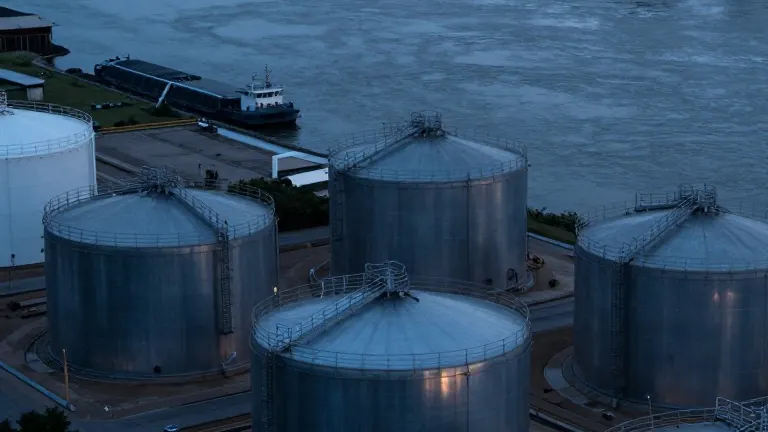
Portland City Council voted unanimously on Nov. 12 to reduce bulk fuel storage capacity by at least 20 percent by 2036. The decision targets the Critical Energy Infrastructure Hub, a six-mile industrial corridor in northwest Portland. This zone currently holds 90% of Oregon's liquid fuel supply and sits in an area identified as vulnerable to seismic activity.
The policy process began with a public hearing on Sept. 24. Council members reviewed the proposal in subsequent sessions on Oct. 1 and Oct. 7. During these meetings, officials considered more than 280 pieces of testimony. They also weighed amendments drafted in coordination with a coalition of environmental and neighborhood groups.
The council adopted two distinct ordinances to implement the changes. The first amends the Comprehensive Plan along with Titles 33 and 24 of city code. These changes support public health and natural hazard risk reduction. The second ordinance adds Title 17 regulations specifically designed to lower fuel storage volumes in the Hub by the 2036 deadline.
New code provisions place further limits on the expansion of bulk fuel storage tanks for all fuel types. An exception allows for up to a 5 percent expansion for aviation fuel. The rules also restrict the growth of transloading infrastructure, which moves fuel between storage tanks and different transportation modes.
Operators of facilities in the Hub must now file annual terminal inventory reports. Any alteration to storage tanks or transloading infrastructure requires a neighborhood contact requirement. These measures aim to increase transparency and local oversight of the industrial operations.
The adopted policies also support environmental and watershed protection goals. They encourage energy transition and risk mitigation within the Hub. The project includes a framework for convening local, state, and federal agencies. This coordination is intended to improve risk mitigation and response efforts among the various entities regulating the area.