Simon: Demand for single-level housing outpaces available inventory
A 2019 Census analysis suggests the U.S. lacks enough aging-ready homes to serve the growing population of adults over 65.
By Fernando Rojas ·
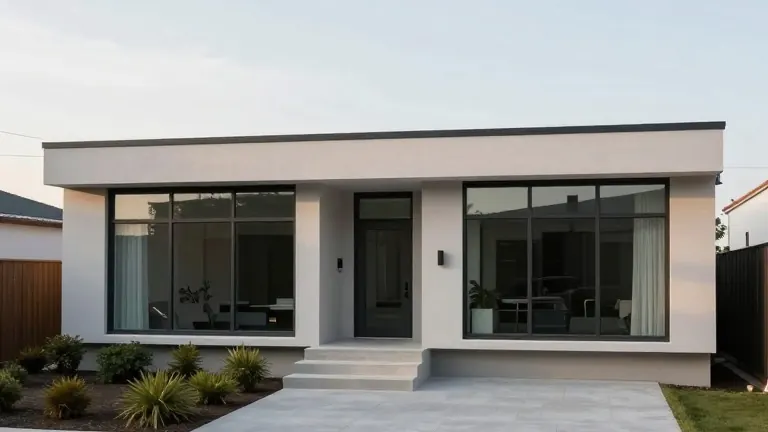
The number of Americans age 65 and older is rising, and industry experts say the housing stock is not keeping up. In 2019, one in six residents was 65 or older. By 2060, that ratio will reach one in four. A 2019 analysis of U.S. Census data concluded that the national supply of aging-ready homes may be inadequate for this demographic shift.
The Census defined these dwellings as having a bedroom and a full bathroom on the first floor, along with a step-free entryway. Heather Simon, a mortgage lender with 35 years of experience, said she has observed a distinct shift in client needs over the last six to seven years. Many buyers who have lived in homes for three decades or more are now seeking single-level structures that accommodate their changing physical requirements.
Simon noted that clients often occupy properties ranging from 4,000 to 5,000 square feet but now require smaller spaces with specific features. These include first-floor master suites, wider hallways, fewer stairs, and zero-step showers. She stated that inventory for these specific home types is low, particularly for couples downsizing in Virginia. The issue extends beyond local markets, as Simon said families nationwide struggle to find suitable housing for aging parents.
Beth Powell, who owns Home with Heart and assists clients with downsizing, agreed that the current market does not meet the needs of the aging population. She rejected the idea that patio homes are a universal solution, arguing they often lack accessibility and carry high costs. Powell questioned why homeowners who have paid off their mortgages should take on new debt for expensive replacements.
Both professionals emphasized the importance of early planning. Simon described the transition from a 5,000-square-foot home to a 2,000-square-foot residence as a major emotional and logistical hurdle. She said the process requires months of preparation. Powell and Simon advised that families should begin these conversations before a crisis, such as a fall, forces a rushed decision.
Experts warn that waiting for a worst-case scenario limits options and increases costs. They recommend working with a professional team to evaluate retrofitting an existing home, purchasing a new property, or building a new structure. Until the supply of single-level housing increases, retrofitting existing homes to support multiple generations will likely remain a dominant trend.
More Business · Business Watchdog · Report a business · Got a Story?