Northeastern Researchers Trace Vehicle Data to Amazon, Meta, and Microsoft
A new investigation using Consumer Reports vehicles found that connected car systems transmit detailed driving and location data to major tech giants, often after drivers accept standard terms.
By Mia Bennett ·
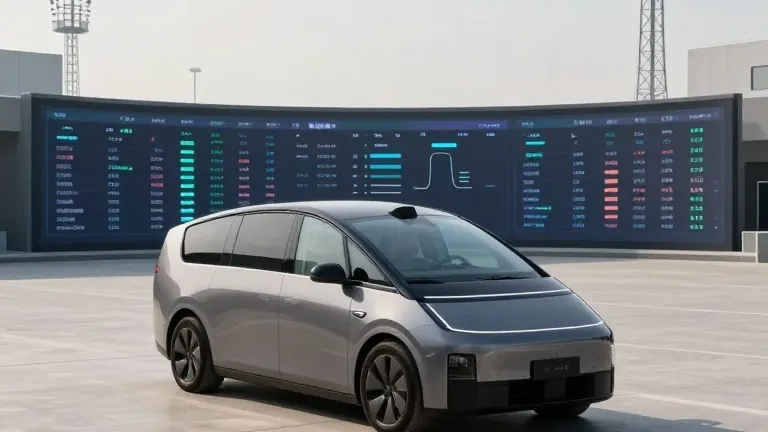
Northeastern University researchers traced the flow of data from connected vehicles to major technology firms, identifying Amazon, Alphabet, Meta, and Microsoft as primary recipients.
The study, which utilized Consumer Reports vehicles at their auto test center in Connecticut, analyzed the signals and data packets emitted by the cars. The findings indicate that vehicle software and associated apps transmit information that allows these companies to build detailed profiles of individual drivers. These dossiers can then inform decisions made by banks, insurance providers, and pharmaceutical companies regarding risk and behavior.
Several automakers, including GM, Honda, Nissan, and Stellantis, told Consumer Reports that drivers technically opt in to this data sharing. The companies noted that some applications redirect users to external websites where data collection occurs. While GM, Honda, Nissan, and Stellantis stated that certain partners are contractually barred from selling the data independently, the volume of information shared remains substantial.
Honda reacted to the specific findings by ordering one vendor to delete the location data it had previously received. This action highlights the direct impact of the research on corporate data practices. However, other manufacturers have not yet announced similar steps.
Surveys suggest most consumers accept terms and conditions without reading them. Experts recommend checking an automaker’s website or connected app to opt out of data sharing or to request deletion of existing records. Drivers can also disable location sharing features within their apps to limit the scope of data collected.
Opting out may result in the loss of certain connected features, such as automated roadside assistance. Some automakers restrict opt-out requests to drivers residing in states with specific privacy laws. California was the first state to pass such legislation, and more than a dozen other states have since followed suit.