Hakeem Jeffries promises grocery relief to incoming Democratic Congress
With a veto-wielding president and divided Senate, the new majority faces structural hurdles in lowering food costs driven by tariffs and energy prices.
By Mia Bennett ·
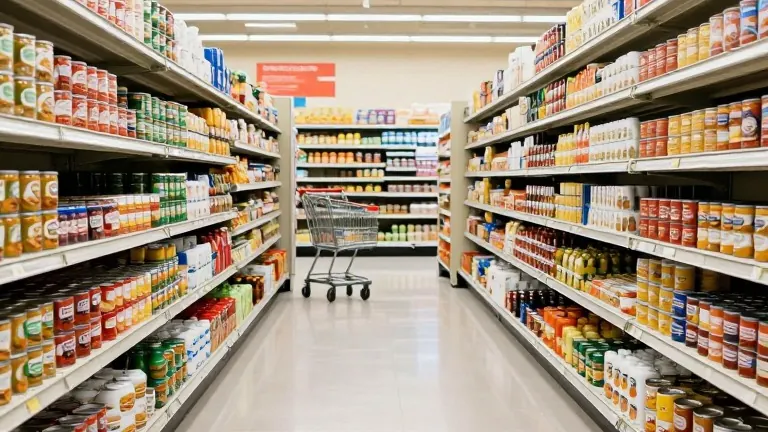
House Democratic Leader Hakeem Jeffries stated on Friday that the incoming majority will prioritize reducing high consumer prices when the new Congress convenes in January. He described Tuesday's election results as a strong rebuke of political extremism that has increased the cost of living for Americans.
Affordability concerns, particularly regarding food costs, were a primary driver for voters heading into the midterms. The strain came from the Trump administration's tariffs and the ongoing war in Iran. These factors contributed to Democrats winning control of both the House and the Senate.
The legislative path to lower grocery bills faces immediate obstacles. President Trump retains the power to veto legislation, and Senate Democrats lack a filibuster-proof majority. Trump may resist rolling back his signature tariffs or reversing his stance on the Iran conflict, both of which are identified as main causes of high food prices.
The administration's policies have created specific pressures on the food industry. Tariffs have raised the cost of imported foods and beverages while also increasing the price of essential machine parts and packaging. The Iran war has surged energy prices, making transportation more expensive. Additionally, the closure of the Strait of Hormuz disrupted global fertilizer trade, driving up costs for farmers.
Incoming Democratic senators have outlined specific proposals to address these issues. Texas Senator James Talarico pledged to protect federal food assistance programs WIC and SNAP from major overhauls. Kansas Senator Adam Hamilton supports a national ban on dynamic pricing in grocery stores. North Carolina Senator Roy Cooper, among others, vowed to block food industry mergers that consumers say raise prices.
State-level leaders are also introducing affordability measures. At least 28 states will have Democratic governors next year, along with ten state legislative chambers that flipped to Democratic control. Georgia Governor-elect Keisha Lance Bottoms proposed allowing localities to suspend sales tax on groceries and baby formula. Texas Governor-elect Gina Hinojosa promised to outlaw price gouging, while New Mexico Governor Deb Haaland plans to explore waiving permitting fees for markets in food deserts.
Public demand for quick relief remains high. A September poll by the Kitchen Table Project and Global Strategy Group found that nearly half of respondents listed lowering grocery bills within six months as their most important goal. This expectation puts immediate pressure on the new congressional leadership to deliver tangible results.