Actors and singers have used clothing as political protest for decades
From the 1970s Black Panthers to recent Hollywood red carpets, specific garments have served as tools for activists to challenge government policies and social norms.
By Fernando Rojas ·
Billy Porter challenged gender norms at the 2019 Academy Awards by wearing a black dress. The actor, known for his work in Pose and Kinky Boots: Broadway, used the outfit as a one-man protest against traditional expectations for male performers.
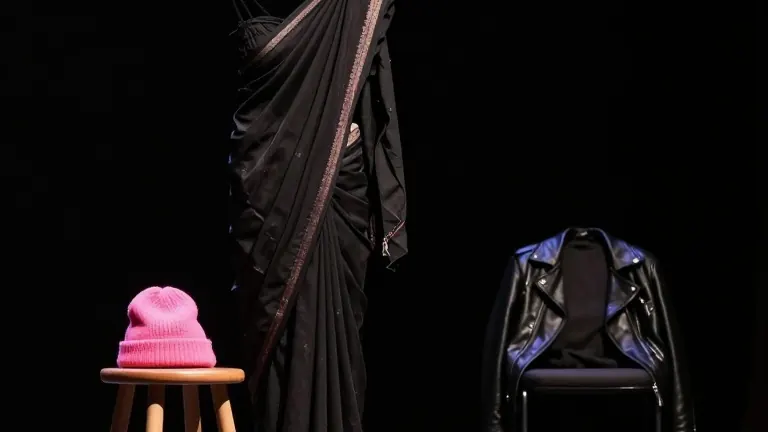
Clothing has long functioned as a vehicle for political dissent, often conveying messages that spoken words might obscure. Historical examples show how specific items have been used to defy unjust standards. In the 1970s, members of the Black Panthers adopted a uniform consisting of black berets and leather jackets. They accessorized these outfits with pinback buttons featuring the Black Panther symbol to protest police brutality and racial injustice.
Pin clasp accessories have appeared in numerous historical movements, including the Vietnam War protests and the Women’s Movement. These small items served as visible markers of solidarity within social justice communities. While such accessories are common, they are not the only tools used to signal resistance to public policy.
In 2017, thousands of participants in the Women’s March wore pink hats labeled Pussy. The headwear served as a symbol of female solidarity against the inauguration of Donald Trump. This instance demonstrates how large groups can use coordinated styling to express collective opposition to what they perceive as wrong governance.
Individual acts of defiance have also carried weight in oppressive regimes. In 1986, Pakistani singer Iqbal Bano performed the poem Hum Dekhenge at Alhamra Hall. She wore a black sari during the performance as a silent act of revolt against the dictatorship of President General Zia-ul-Haq. The government had banned saris as part of regressive policies, making Bano’s choice a direct challenge to state mandates.
Bano invited government officials to the event, ensuring they witnessed her stance on stage. Her performance highlighted that protesting does not require a large crowd to be effective. Smaller historical instances, such as Polish citizens wearing smuggled denim during the Iron Curtain era, further illustrate how apparel can symbolize freedom and rebellion against restrictive political borders.