Urban geographers analyze the realistic design of GTA VI's Florida setting
Academic experts explain how Grand Theft Auto VI uses detailed urban planning and implied expansiveness to create a lifelike virtual Miami.
By News Media House Staff ·
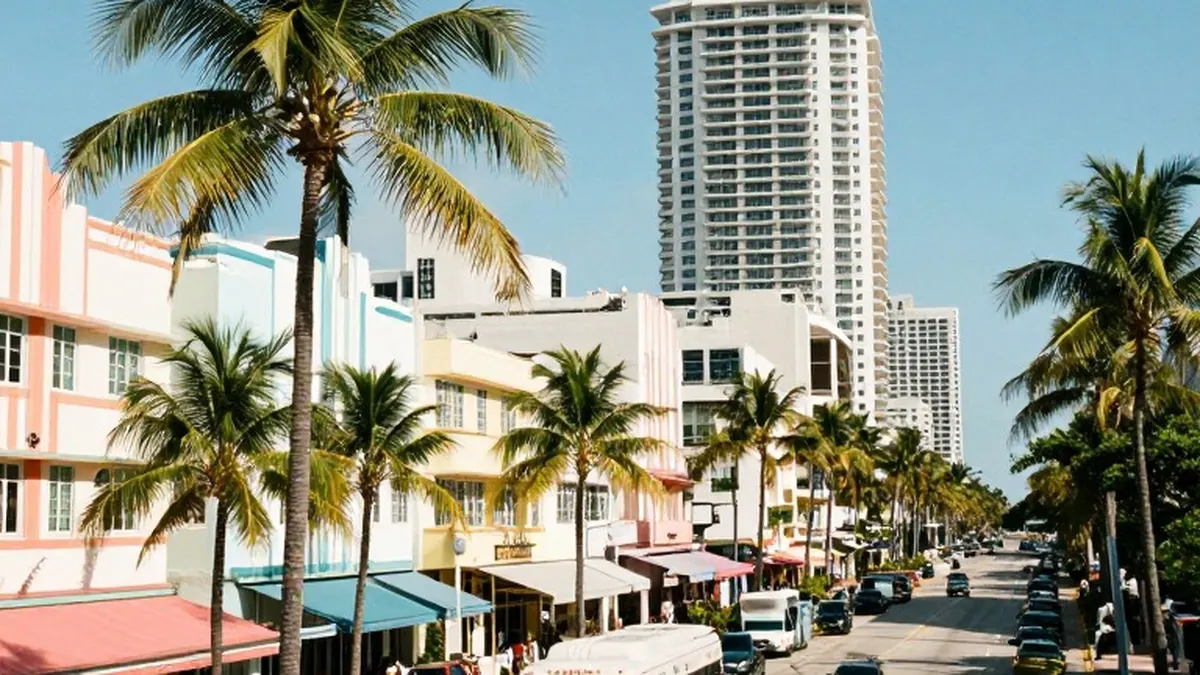
Grand Theft Auto VI has captured global attention for several reasons, including the thirteen years fans waited for its release and the relatable nature of its lead characters. However, a significant driver of its popularity is the profound sense of place it establishes. The franchise is widely regarded for recreating the atmosphere of bustling real-world cities, and this latest installment offers what many consider the studio's most lifelike setting yet. The fictional version of Florida features functional public transportation, including buses and trains, as well as numerous interior spaces that players can explore. Residents are available for conversation, and vast areas allow for interaction with wildlife far from the bright lights of the Miami-inspired Vice City.
Emma Fraser, an assistant professor at UC Berkeley who studies urban ruins and virtual cities, notes that this level of realism creates a unique psychological sensation for players. She describes the experience as discombobulating and distracting. Players often feel as though they are genuinely experiencing a location, even while intellectually understanding that it is a digital representation. This immersion is so strong that players frequently dream about being in the game world after they stop playing.
Fraser teaches courses on urban geography and virtual worlds and has authored papers on topics such as mapping in the digital age. She began researching video game cities because they remain an underexplored area in academia despite their massive reach. As a geographer, she is interested in how cities are imagined, navigated, built, and mapped. She argues that video games contain all these elements but are often not taken seriously as an academic subject.
The development process for the game prioritized the setting over the story or characters. Before development began, Rockstar developers traveled to Florida to gather accurate details. Producer Rob Nelson stated that the team went to various locations, including the Everglades, the Keys, and the city, to feel out the environment and determine which aspects to incorporate. This on-the-ground research helped ensure the game's foundation was rooted in the actual geography and culture of the region.
Unlike many successful open-world games that take place in fantastical spaces, the Grand Theft Auto series distinguishes itself by making its settings feel true to the real world. Fraser believes this familiarity is a key reason for the series' universal appeal. Players immediately understand how to function in a city because they recognize elements like law enforcement, city blocks, pedestrians, and traffic. This pre-existing knowledge allows developers to create a deeply immersive environment with fewer learning curves.
The game utilizes a concept Fraser calls implied expansiveness. It is not a one-to-one recreation of the real location, with certain details like schools and daycares missing and parking spaces being sparse. However, the game includes enough accurate details to be recognizable. Correct lighting, coastline shapes, street corner decorations, and major arterial roads are sufficient to convince players they are in a place resembling Miami. These snapshots provide a more overwhelming sense of presence than previous entries in the series.
This verisimilitude is enhanced by dialogue, radio programs, and television shows that reference places and events outside the explorable map. The variety of perspectives available to players, from walking to flying planes, leads to an experience Fraser compares to virtual tourism. This results in diverse playstyles, with some players rushing through the city in taxis while others prefer to sit on buses or trains to observe the environment. The relationship-focused premise also encourages less violent gameplay, with some players driving more carefully to avoid harming civilians or exploring spaces together.
Now that the game is available, Fraser hopes to use it to research how real and virtual worlds intersect in urban navigation. The game offers many options for movement, allowing players to import their own real-world practices into the virtual space. Whether stealing a sports car or taking a train while listening to a podcast, the fully furnished world encourages personal expression. Fraser emphasizes that the attention to detail in Grand Theft Auto VI sets it apart from contemporaries, arguing that generic city generation with simple icons cannot replicate the sense of a real place.
Originally published by News Media House
More News · National news · Report a business · Got a Story?