EPA expects first test results after Iowa explosives detonation
The EPA said laboratory results could begin arriving Friday after the Army destroyed deteriorating lead azide at an Iowa ammunition plant.
By News Media House Staff ·
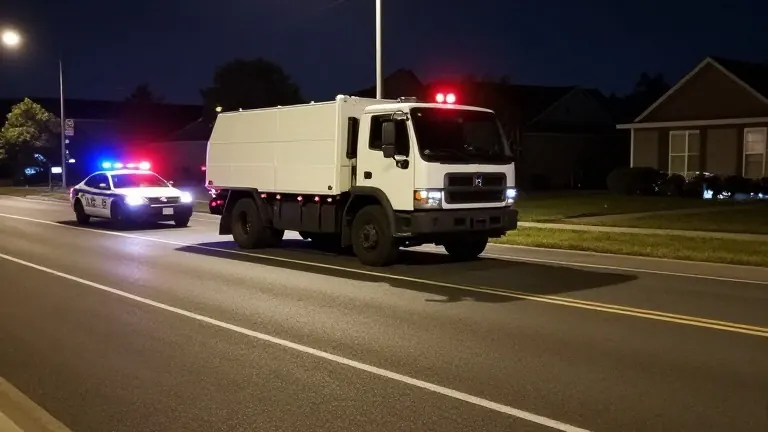
The Environmental Protection Agency expects to begin receiving laboratory results Friday from samples collected after the Army detonated a stockpile of deteriorating explosives in Iowa. The agency announced the testing timeline Thursday, a day after the controlled destruction at the Iowa Army Ammunition Plant in Middletown.
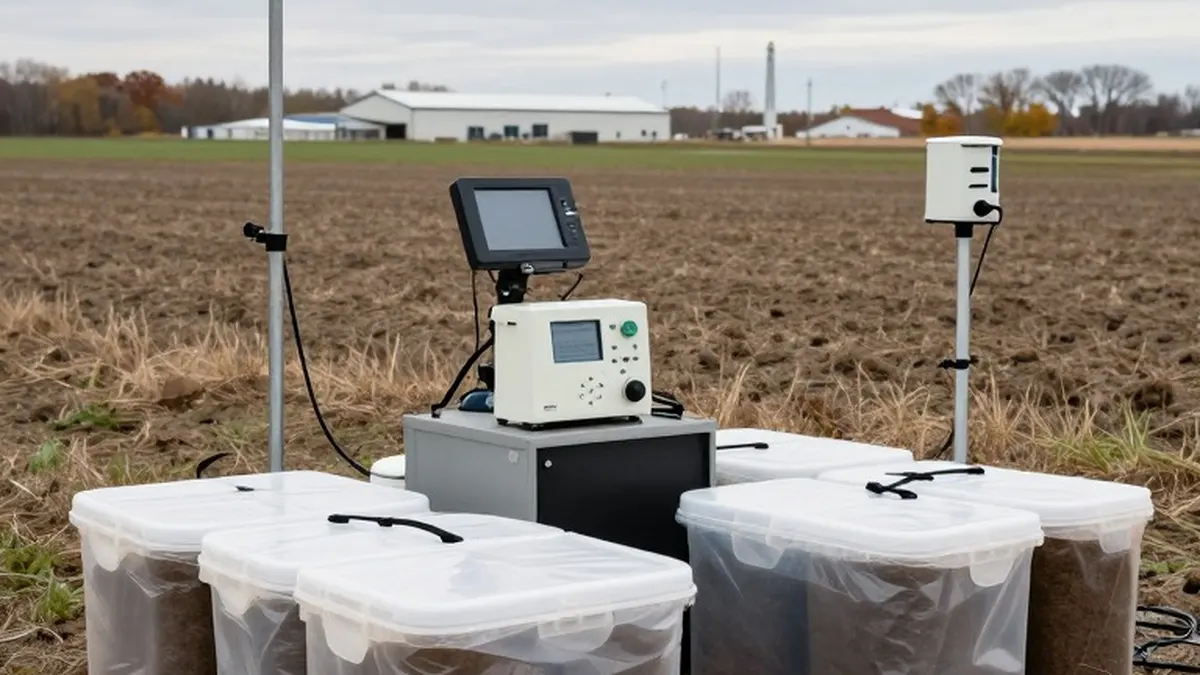
The EPA said more than 1,500 samples of air, water, soil and dust were collected before the detonation, with more than 1,000 additional samples gathered afterward. Multiple EPA laboratories and private laboratories are conducting the tests. The first results expected Friday concern sampling carried out after the explosives were destroyed.
Sampling covered more than 130 structures, among them homes, schools, daycare centers and churches. The agency also collected samples from parks, nearby farms, drinking water sources and the Mississippi River watershed. As of Thursday, the EPA said no airborne lead had been detected across the region.
The testing extends beyond lead to other compounds that could have been released by the explosion. In its Thursday news release, the EPA said its testing covered everything the agency had anticipated might be released during the controlled detonation. The laboratory work follows the collection of samples both before and after the operation.
The Army destroyed 5 tons of deteriorating explosives Wednesday, saying the material posed a risk of an unplanned explosion. Residents and environmental organizations had tried to prevent the operation because they feared it could produce a plume of toxic lead dust, potentially endangering public health and agriculture.
The Middletown facility held about 10,000 pounds of lead azide, a substance used in ammunition since World War I. According to the EPA, the stockpile had deteriorated during 20 years of storage. A process of recrystallization had left the material more sensitive to friction and shock, increasing the danger that it could detonate unintentionally.
The dispute also reached the 8th Circuit Court of Appeals. On Monday, the court said the environmental groups contesting the Army's plan had not demonstrated that they were likely to succeed in their challenge.
The troubled preparations for the detonation raised questions inside the Trump administration about what had gone wrong and why senior officials had not been alerted sooner, sources familiar with the matter told CBS News. President Trump subsequently praised the detonation, saying it had "exceeded expectations."
Originally published by News Media House
More News · National news · Report a business · Got a Story?