Trump claims major trade pact with Philippines as he navigates Asia tour
The US president announced a significant commercial agreement with Manila on Wednesday, a development that was not officially confirmed by the Philippine government, while he also pledged to deepen defense ties ahead of high-stakes talks in China.
By News Media House Staff ·
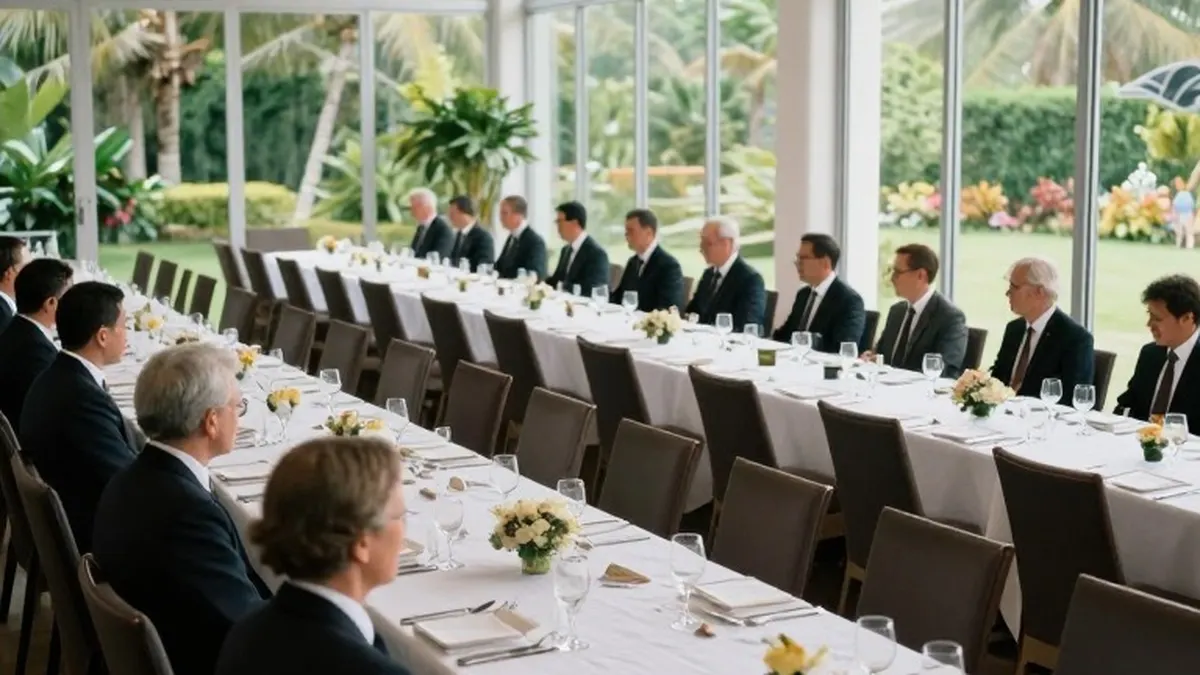
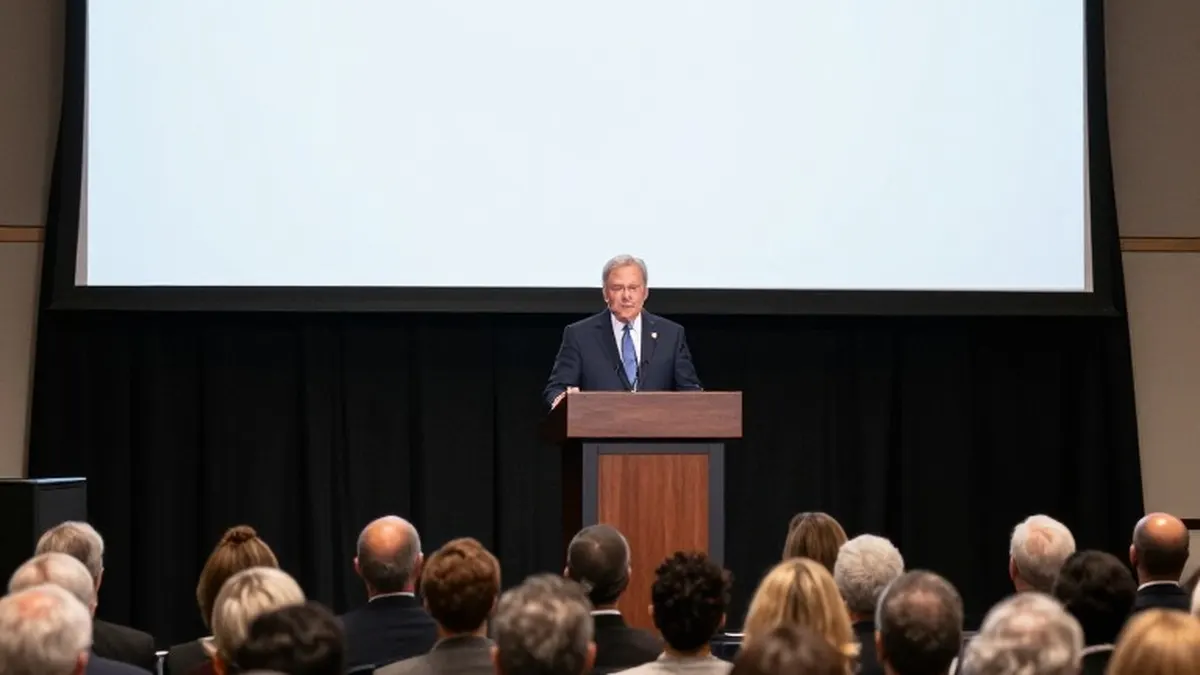
US President Donald Trump stated on Wednesday that the United States has finalized a very large trade agreement with the Philippines. Speaking during a state luncheon at the Philippine presidential palace, he described the pact as the largest the US has ever signed and characterized it as fair for both nations. However, the Philippine government did not issue a formal announcement of the deal, and the specific terms remain undisclosed.
Trump noted that the agreement was reached quickly and unexpectedly. He remarked that both parties were pleased with the outcome. Despite the president's announcement, negotiations for such a deal were not listed in the official schedules released by either country. Jose Manuel Romualdez, the Philippine ambassador to the US, indicated that the American side proposed diversifying food supplies and energy requirements. When asked if any documents had been signed, Romualdez replied via a phone message that none had been.
The announcement comes as Trump seeks to bolster US influence in the Asia Pacific region. On Tuesday, he had stated that Thailand would eliminate all tariffs and reduce non-tariff barriers on US imports under a separate deal expected to be finalized soon. Ahead of his trip to Shenzhen for meetings with Chinese and Russian leaders, Trump emphasized the importance of the American alliance with the Philippines, calling it one of the oldest and most critical partnerships in the Pacific.
During his address to Philippine President Ferdinand Marcos Jr., Trump vowed to expand defense cooperation. He highlighted recent increases in military financing for Manila and asserted that the US produces superior defensive and offensive weapons at a faster pace than any other nation. He added that the US only shares these capabilities with friends.
The diplomatic engagement takes place against a backdrop of domestic political challenges. Trump arrived in Asia following a difficult midterm election season in which Republicans suffered significant losses. His meetings with regional leaders, particularly with Chinese President Xi Jinping, are seen as a test of his ability to project strength and leverage on the world stage.
On Tuesday, Trump began his tour by meeting with leaders of the Quad, which includes the US, Japan, India, and Australia. The group discussed critical minerals, maritime security, and artificial intelligence. Trump expressed a desire to ensure that the future of AI is shaped by nations that share US values. These talks are being closely monitored by allies who seek reassurance about Washington's commitment to the region, where China remains a dominant trading partner.
Tensions in the South China Sea remain a focal point for the Philippines. As one of Washington's closest security partners, Manila has sought clearer guarantees regarding US defense commitments under their Mutual Defense Treaty. When asked about these tensions, Trump said he was not concerned at all. He is scheduled to meet with Xi on Thursday on the sidelines of the Asia Pacific Economic Cooperation summit, where trade and economic relations, including rare earth exports and semiconductor sales, will be central topics.
Trump has also suggested the possibility of meeting North Korean leader Kim Jong Un, stating that he asked Xi to help arrange it. While no meeting has been confirmed, North Korea has shown limited interest in renewed diplomacy. The US delegation is expected to include tech and business leaders such as Elon Musk, Michael Miebach, and Raj Subramaniam. Notably, Nvidia founder Jensen Huang is not expected to attend, following his resignation amid allegations involving a suspected Chinese spy, although Trump said he would support Huang's return to the role.
The itinerary also includes a trilateral meeting with Xi and Russian President Vladimir Putin. Discussions may cover nuclear arms control, Iran, and the war in Ukraine. Analysts suggest that this level of engagement could unsettle US allies who question how their interests will be protected if the three nuclear powers maneuver around them.
Originally published by News Media House