Aging Barges Threaten Grain Prices on the Mississippi
New analysis warns that a shrinking fleet and rising construction costs will likely raise shipping fees for Midwestern farmers.
By Mia Bennett ·
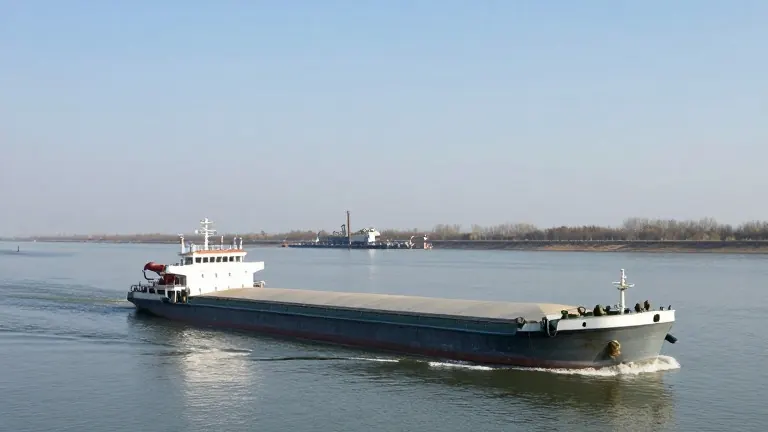
Farmers in Davidson County and across the Midwest may face lower payout prices for their grain this coming decade due to a shrinking supply of shipping barges on the Mississippi River. A new economic report indicates that the cost to move corn and soybeans to export markets is set to rise, which directly reduces the amount of money growers receive for their harvests. The issue stems from a fleet of vessels that is aging faster than it is being replaced.
The United States barge fleet has decreased by nearly 8 percent over the last ten years. The average barge in service today is more than 17 years old. Industry data shows that more vessels are being retired each year than are being built to take their place. This decline in capacity creates a tight market for shipping space on the river.
The Mississippi River is the primary artery for U.S. grain exports. It handles roughly half of the nation's corn and soybean shipments. It also carries about one-third of U.S. wheat exports. Because so much agricultural product depends on this single route, the availability of barges has a direct impact on the broader economy of grain production.
Tanner Ehmke, the lead grains and oilseeds economist at CoBank, explained the financial pressures facing the industry. He noted that building a new barge now costs more than $1 million. That figure is roughly double the cost of construction a decade ago. The high price tag discourages operators from replacing older vessels quickly.
Ehmke stated that the fleet currently includes about 19,500 barges. He projected that number could drop to around 16,000 by the year 2035 if construction rates do not increase. The industry is retiring between 500 and 1,000 barges annually. In contrast, builders are producing only about 400 new vessels per year to fill those gaps.
Operators often extend the life of older barges through repairs. They patch damaged areas with steel plates to keep the vessels water-tight. However, these fixes are not a permanent solution. As vessels continue to age, the risk of leaks increases, making repeated repairs less practical. Eventually, the cost of maintenance outweighs the value of keeping the barge in service.
Ehmke said there are limited alternatives for moving grain to the Gulf Coast. Trucks and rail can transport agricultural products, but they lack the scale and efficiency of the river system. He described the Mississippi River as the most efficient form of transportation for these commodities. When barge space becomes scarce, freight costs rise, and those costs are passed down to the producer.
The financial impact on growers is direct. Ehmke explained that fewer available barges lead to higher shipping costs and a wider basis for grain prices. He stated that the ultimate penalty is borne by the farmer. This means that even if the market price for corn is stable, the net revenue for the grower can shrink due to higher logistics expenses.
Beyond the barges themselves, the condition of the river infrastructure poses additional challenges. Ehmke noted that water levels have been low in recent years, raising questions about reliability during peak export seasons. He also emphasized the need to invest in the river's locks and dams. Some of this supporting infrastructure is more than 100 years old and requires maintenance to keep grain moving efficiently.
More Business · Nashville news · Business Watchdog · Report a business · Got a Story?